- Home
- Past Conferences
- Targeting the DNA Damage Response for Cancer Therapeutics Conference

Targeting the DNA Damage Response for Cancer Therapeutics Conference
#DDRCT25
29 Jun - 02 Jul 2025
Lisbon, Portugal
-
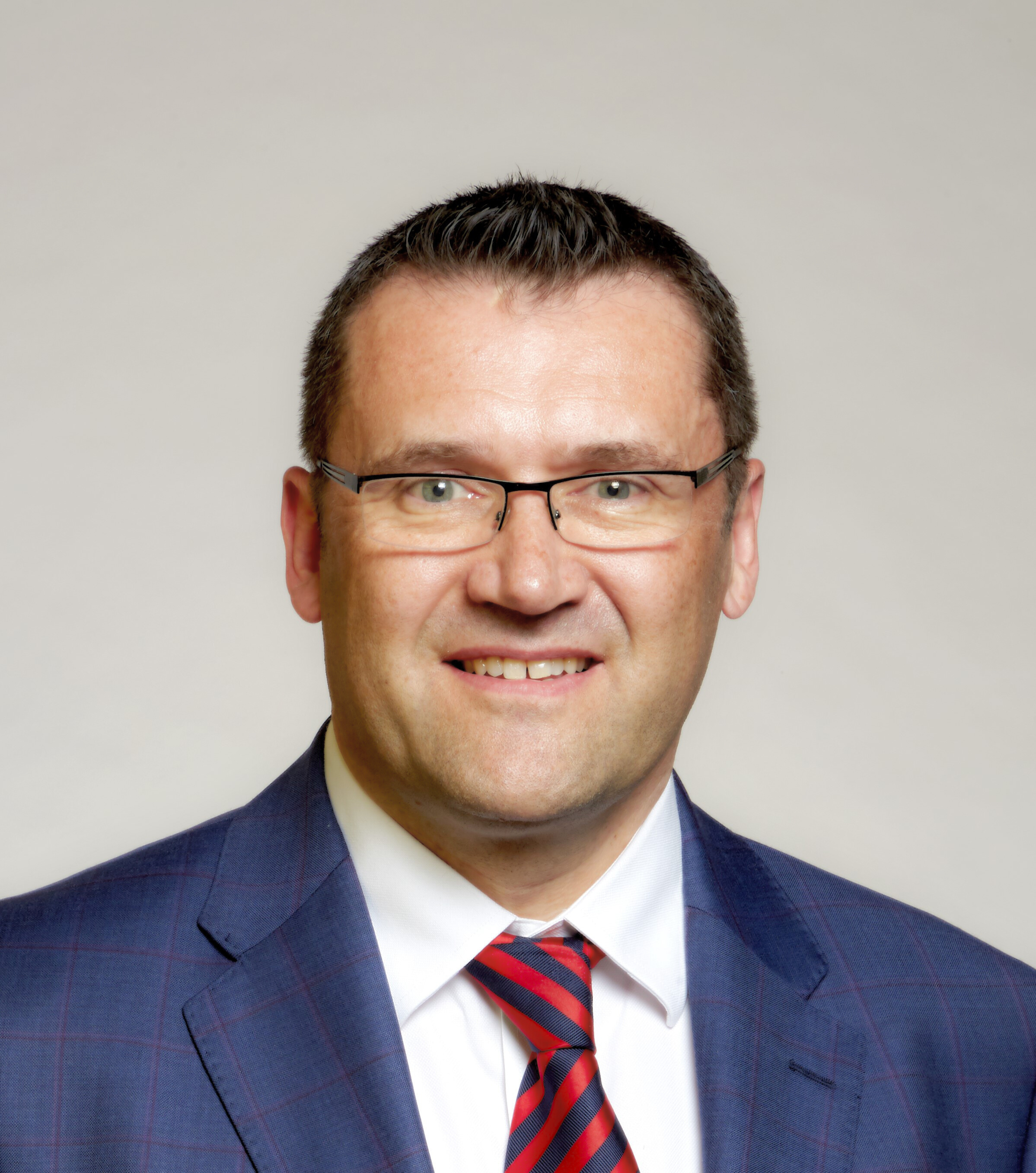
Simon Boulton
Francis Crick Institute / Artios Pharma
-

Mark O'Connor
AstraZeneca
Early Bird - Expired • Talk Submission - Expired • Poster Submission - Expired • Registration & Payment Deadline - Expired
Synopsis
An underlying hallmark of cancers is genomic instability and a greater propensity to accumulate DNA damage. Historical cancer therapy by radiotherapy and DNA-damaging chemotherapy is based on this principle but is accompanied by significant collateral damage to normal tissue and unwanted side effects. Targeted therapy based on inhibiting the DNA damage response (DDR) in cancers offers the potential for a greater therapeutic window by tailoring treatment to patients with tumors lacking specific DDR functions.
The DNA damage response (DDR) in cancer cells differs in at least four aspects compared to those of normal cells, namely the loss of one or more DDR pathway or capability leading to greater sensitivity to DNA damaging agents, increased levels of replication stress, increased potential for immune priming and the potential for a DDR dependency that could lead to sensitivity to a single DDR agent. An example of the latter is the synthetic lethality and clinical activity of PARP inhibitors in tumours with homologous recombination repair deficiencies such as BRCA mutant cancers.
This meeting will focus on the current approaches of targeting DDR to generate new cancer therapies from building on the clinical success of PARP inhibitors, identifying ways to exploit replication stress in cancers, enhance the potential for immunotherapy combinations as well as enhance the activity of targeted DNA damaging agents such as antibody drug conjugates (ADCs) and radioconjugates.
The meeting aims to bring together academics, translational biologists and clinicians who are working towards developing therapies based on targeting DDR in cancer and represents an excellent opportunity for networking and gaining broader insights into this exciting area of cancer biology and therapeutics through a number of panel discussions as well as presentations.
Key Sessions
- Current status of DDR therapeutics
- Building on the success of PARP inhibitors
- DDR therapeutic approaches based on DDR synthetic lethality
- Targeting replication stress in cancers
- Combining DDR inhibition with DNA damaging agents (chemotherapy/ADCs and potentiation of radiation/radio-conjugates)
- Combining DDR inhibitors with immunotherapy
- Enabling capabilities for DDR therapeutics
- The next generation of DDR new targets
Panel Discussions
- Challenges of therapeutic preclinical and clinical development
- Patient stratification and optimisation of drug safety /therapeutic index
- Career options in DDR drug discovery and development
Confirmed Keynote Speakers
Thanos Hazelonetis (University of Geneva)
Tim Yap (MD Anderson Cancer Center)
Steve Jackson (Cancer Research UK Cambridge Institute)
Confirmed Invited Speakers
George Au-Yeung (Peter MacCallum Cancer Centre)
Eric Brown (University of Pennsylvania)
Katie Chapman (Tessellate BIO)
Josep Forment (AstraZeneca)
Charlie Gourley (Cancer Research UK Scotland Centre)
Roger Greenberg (University of Pennsylvania)
Kevin Harrington (Institute of Cancer Research)
Alan Lau (AstraZeneca)
Chris Lord (Institute of Cancer Research)
Andre Nussenzweig (National Cancer Institute)
Gabriele Picco (Wellcome Sanger Institute)
Luke Piggott (Debiopharm International SA)
Yves Pommier (National Cancer Institute)
Simon Powell (Memorial Sloan Kettering Cancer Center)
Helen Robinson (Artios Pharma)
Violeta Serra (Vall d'Hebron Institute Oncology)
Ian Smith (Artios Pharma)
Steve West (Francis Crick Institute)
Michael White (IDEAYA Biosciences)
Target Audience
DDR researchers/clinicians in academia, biotech, pharma and heathcare.
Educational Need
Following the success of PARP inhibitors for the treatment of a range of Homologous Recombination Repair (HRR) deficient cancer types, considerable effort has been made to identify new chemo/radio combination opportunities and novel targetable vulnerabilities in cancers harbouring DDR deficiencies and heightened replication stress. Several of these targets and their combinations are currently in clinical trials with the promise to expand the repertoire of drugs that can be utilised for cancer therapy. This meeting will provide a unique forum for discovery scientists from academia, biotech and pharma and medical oncologists and radiologists to present and discuss their latest discoveries and clinical trial data to the community. With meet and greet sessions and panel discussions with key opinion leaders, we anticipate that this meeting will provide an ideal educational opportunity for early career scientists and clinicians who are new to or wish to enter this space. A meeting of this kind is currently lacking and would provide an ideal platform for idea exchange, networking and the establishment of new collaborations.
Confirmed Speakers
Chairs
Simon Boulton
Francis Crick Institute / Artios Pharma
Mark O'Connor
AstraZeneca
Plenary Speakers
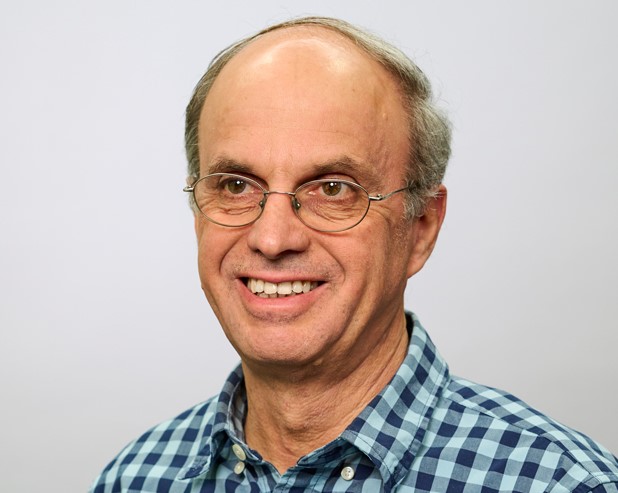
Thanos Hazelonetis
University of Geneva
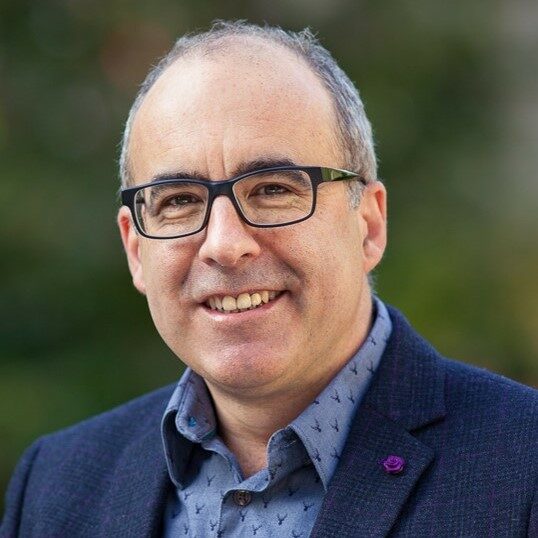
Steve Jackson
Cancer Research UK Cambridge Institute
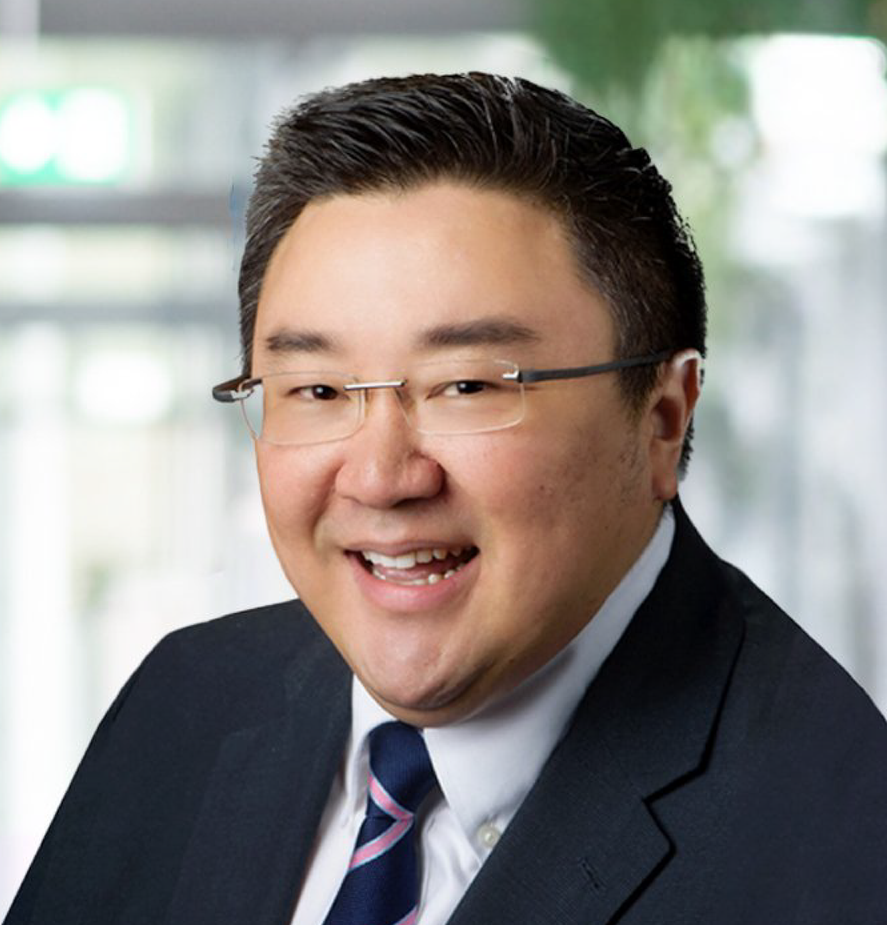
Tim Yap
MD Anderson Cancer Center
Invited Speakers

George Au-Yeung
Peter MacCallum Cancer Centre

Eric Brown
University of Pennsylvania
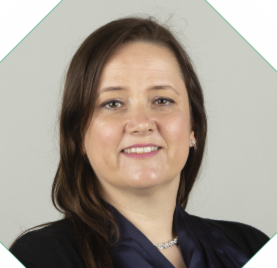
Katie Chapman
Tessellate Bio
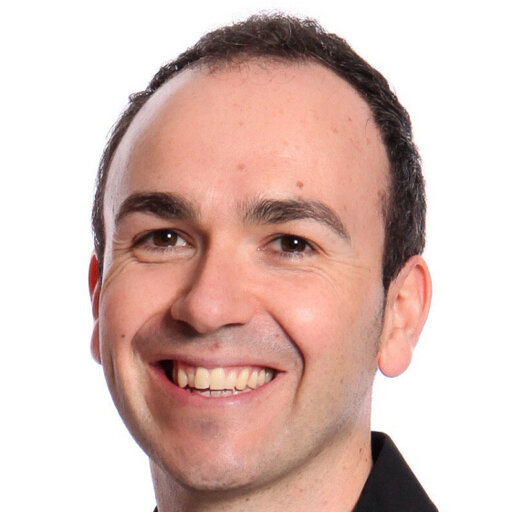
Josep Forment
AstraZeneca
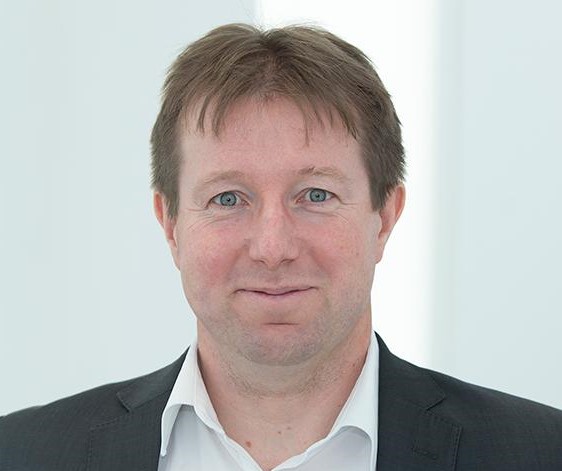
Charlie Gourley
Cancer Research UK Scotland Centre
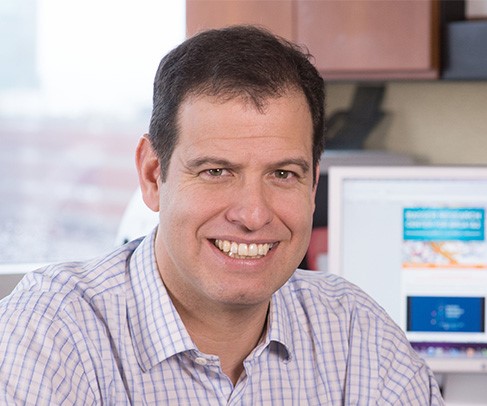
Roger Greenberg
University of Pennsylvania
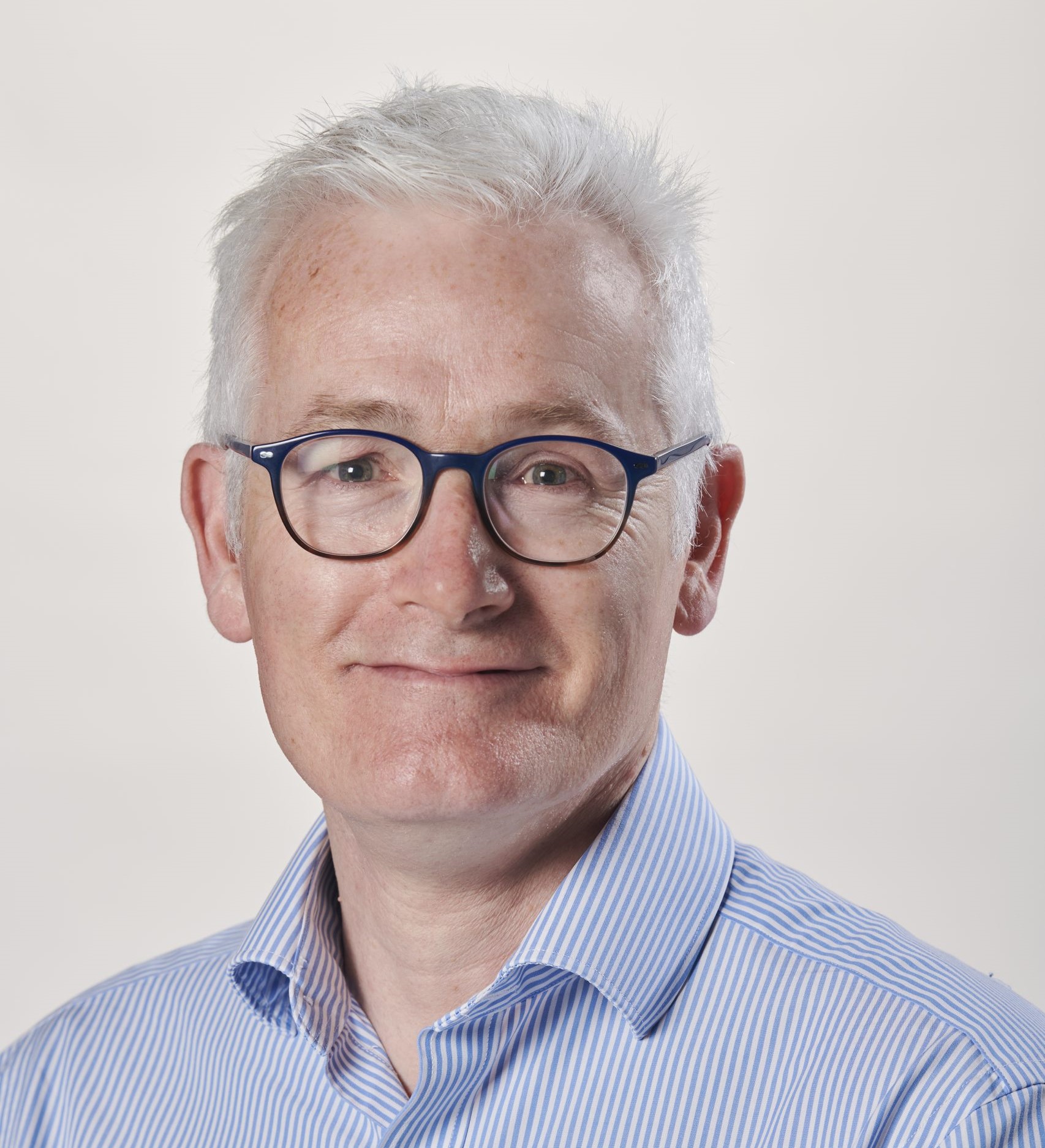
Kevin Harrington
Institute of Cancer Research
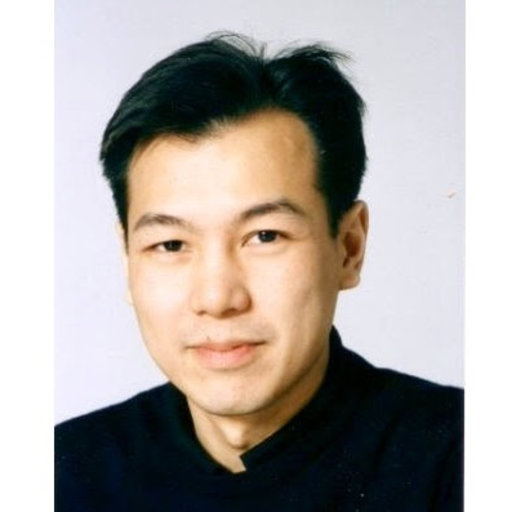
Alan Lau
AstraZeneca
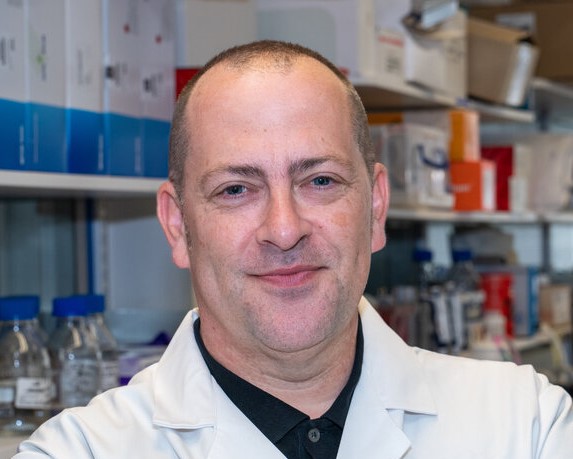
Chris Lord
Institute of Cancer Research

Andre Nussenzweig
National Cancer Institute
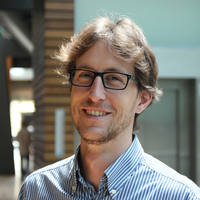
Gabriele Picco
Wellcome Sanger Institute

Luke Piggott
Debiopharm International SA
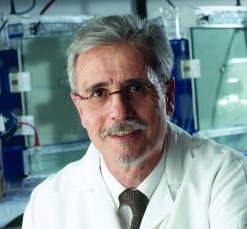
Yves Pommier
National Cancer Institute
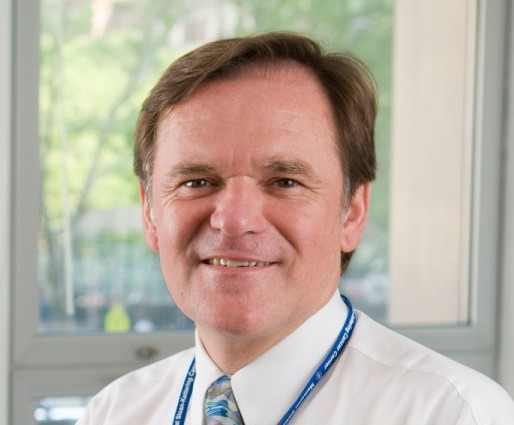
Simon Powell
Memorial Sloan Kettering Cancer Center
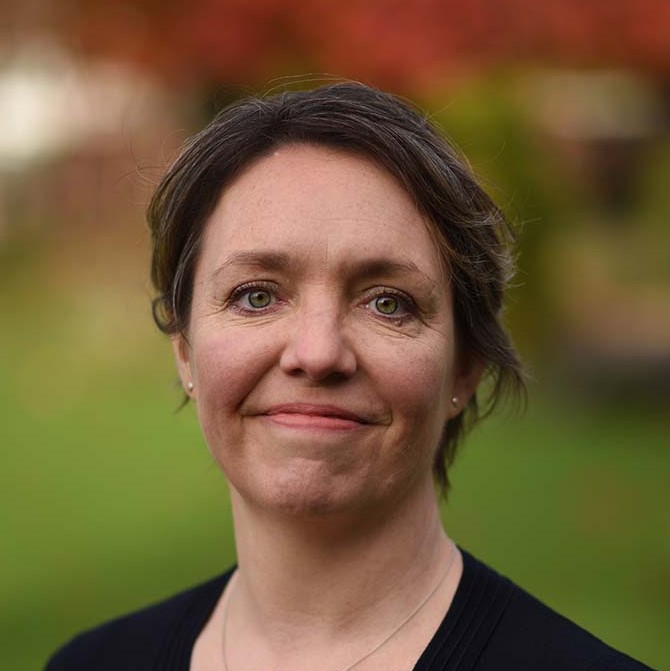
Helen Robinson
Artios Pharma

Violeta Serra
Vall d'Hebron Institute Oncology

Ian Smith
Artios Pharma
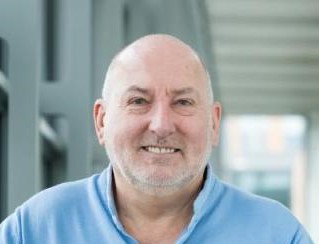
Steve West
Francis Crick Institute

Michael White
IDEAYA Biosciences
Programme
Although the programme has not yet been released, we are able to confirm that the conference should begin no earlier than 14:00 with opening comments on Sunday 29 June 2025. The conference will conclude no later than 12:30 on Wednesday 02 July 2025.
Grants
We have 5x €1,000 registration grants, to help defray the meeting costs for early career researchers. If you are a student, postdoc or junior faculty (within 3 years of your position), you are eligible. To apply please email the conference manager, Emily Meen.
Your application should include your name, organisation, career level, an abstract for talk or poster consideration, and a short summary answering the below questions (no more than 50-100 words per question).
• What cutting edge aspects of your work will you share at the meeting?
• Why do you require financial support to attend?
• How will attending #DDRCT25 benefit your science and career?
Deadline for applications is 16th January 2025 and successful applicants will be informed shortly after.
Supported by


Venue & Location
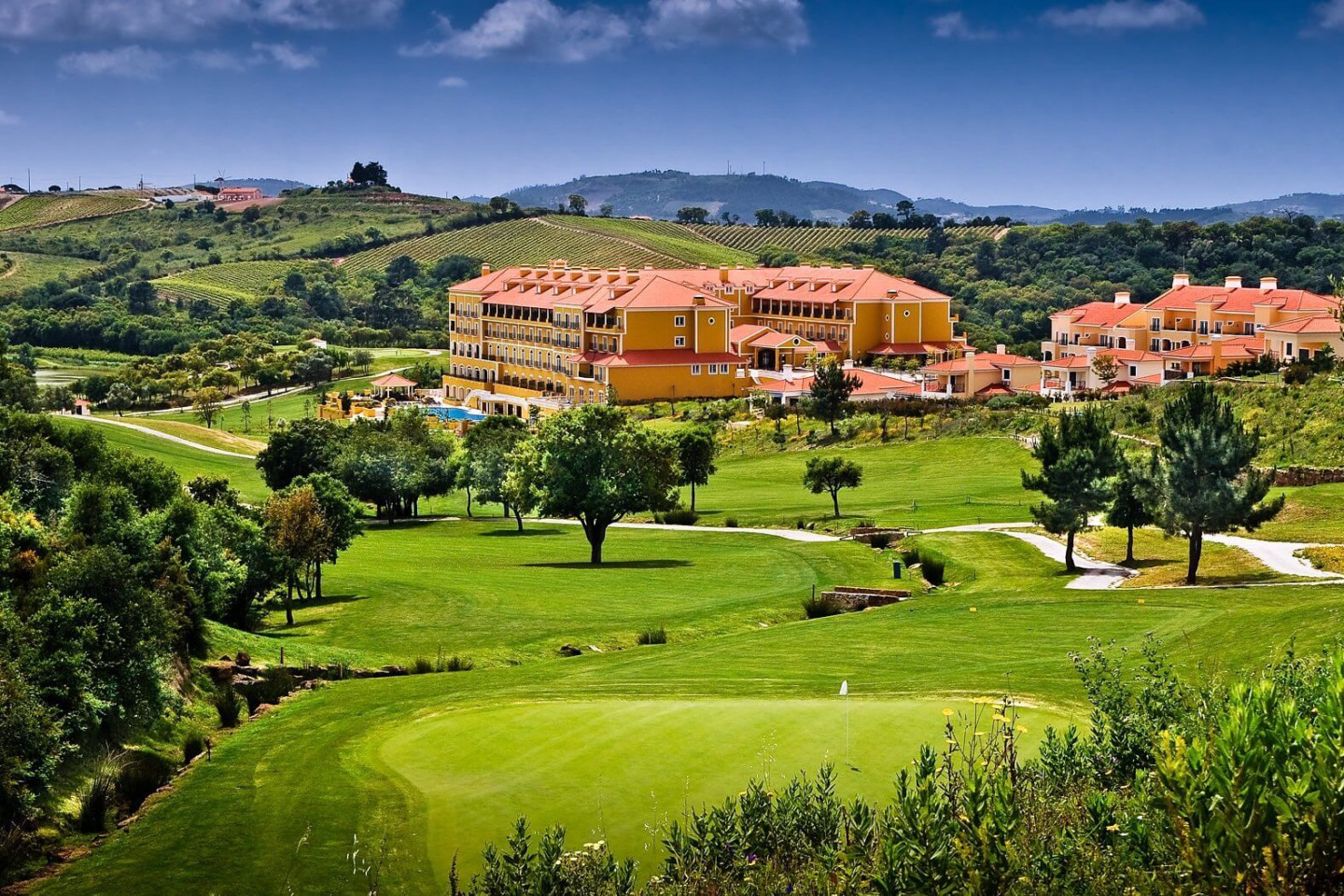
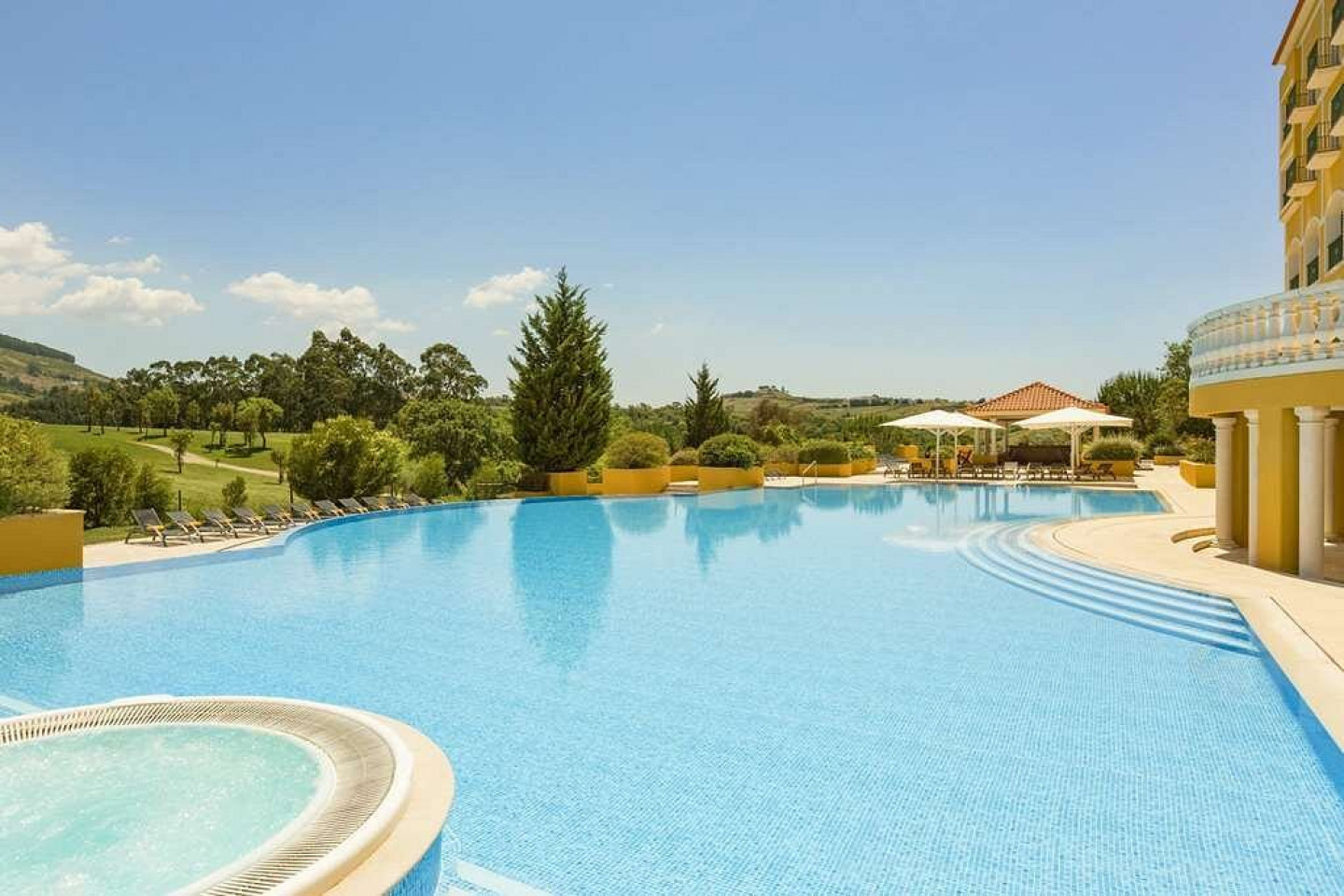
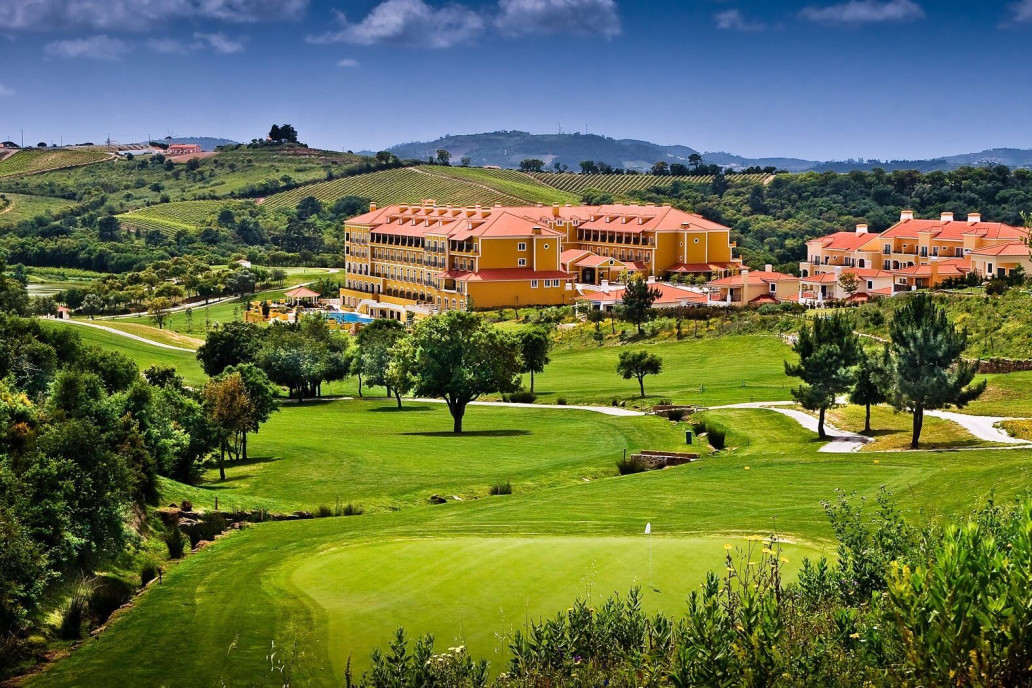
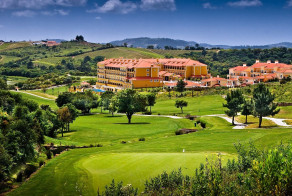
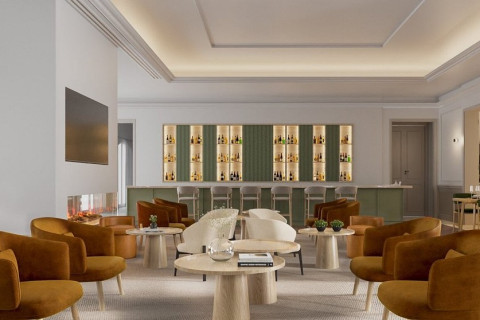
Dolce CampoReal Lisboa
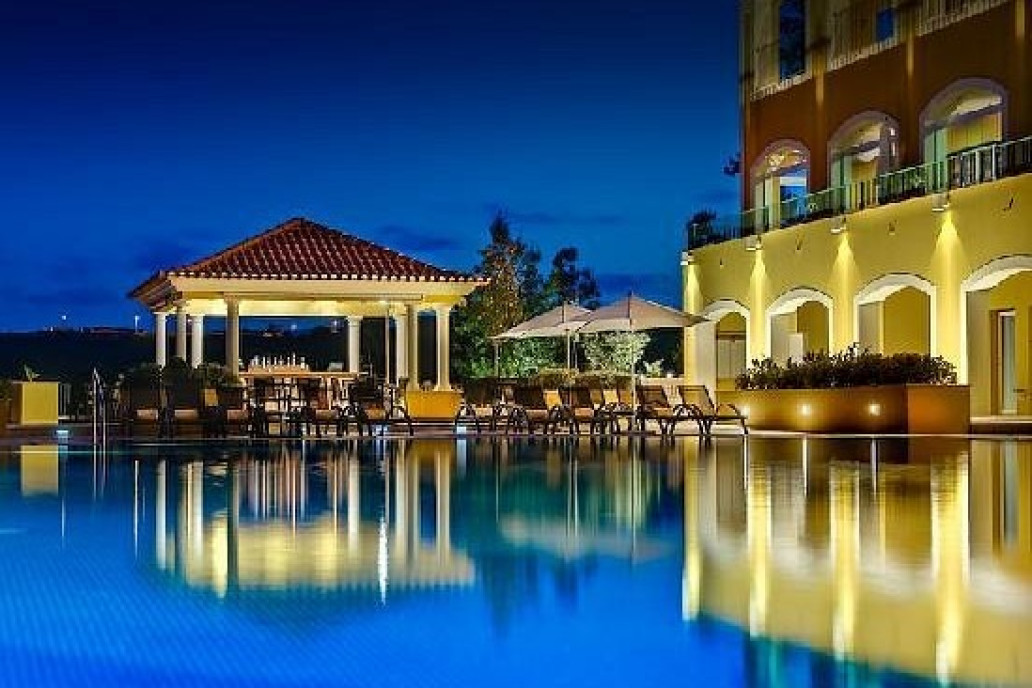
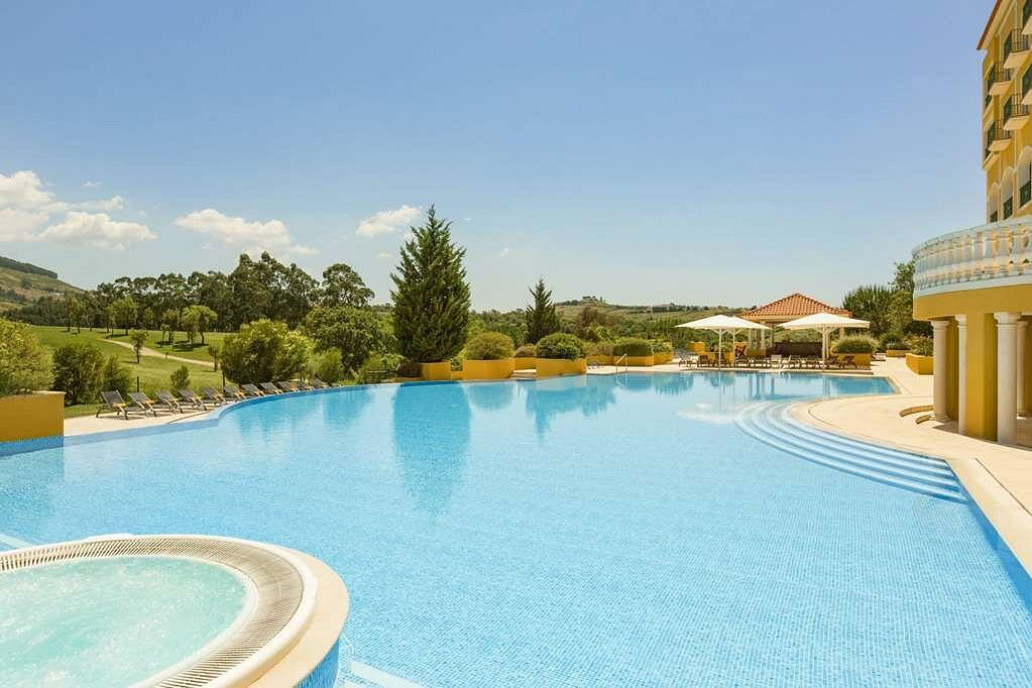
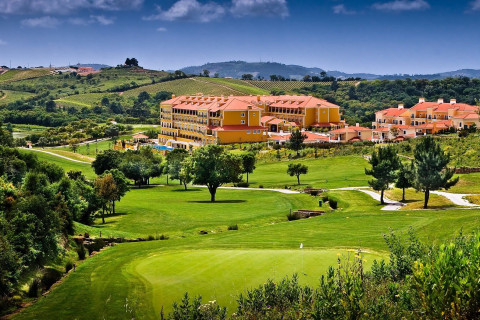
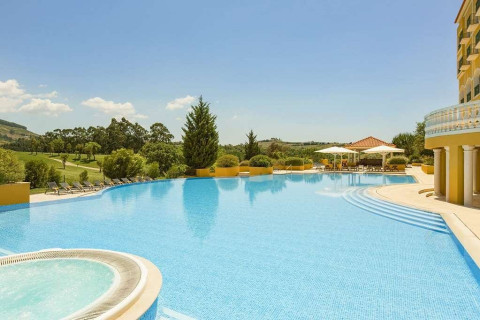
Located in Torres Vedras, just a 30-minute drive from Lisbon, Dolce CampoReal Lisboa offers unique tranquillity, as a result of its idyllic environment. The hotel offers stunning views over the golf course, vineyards and the extraordinary landscape of Socorro and Archeira Mountains.
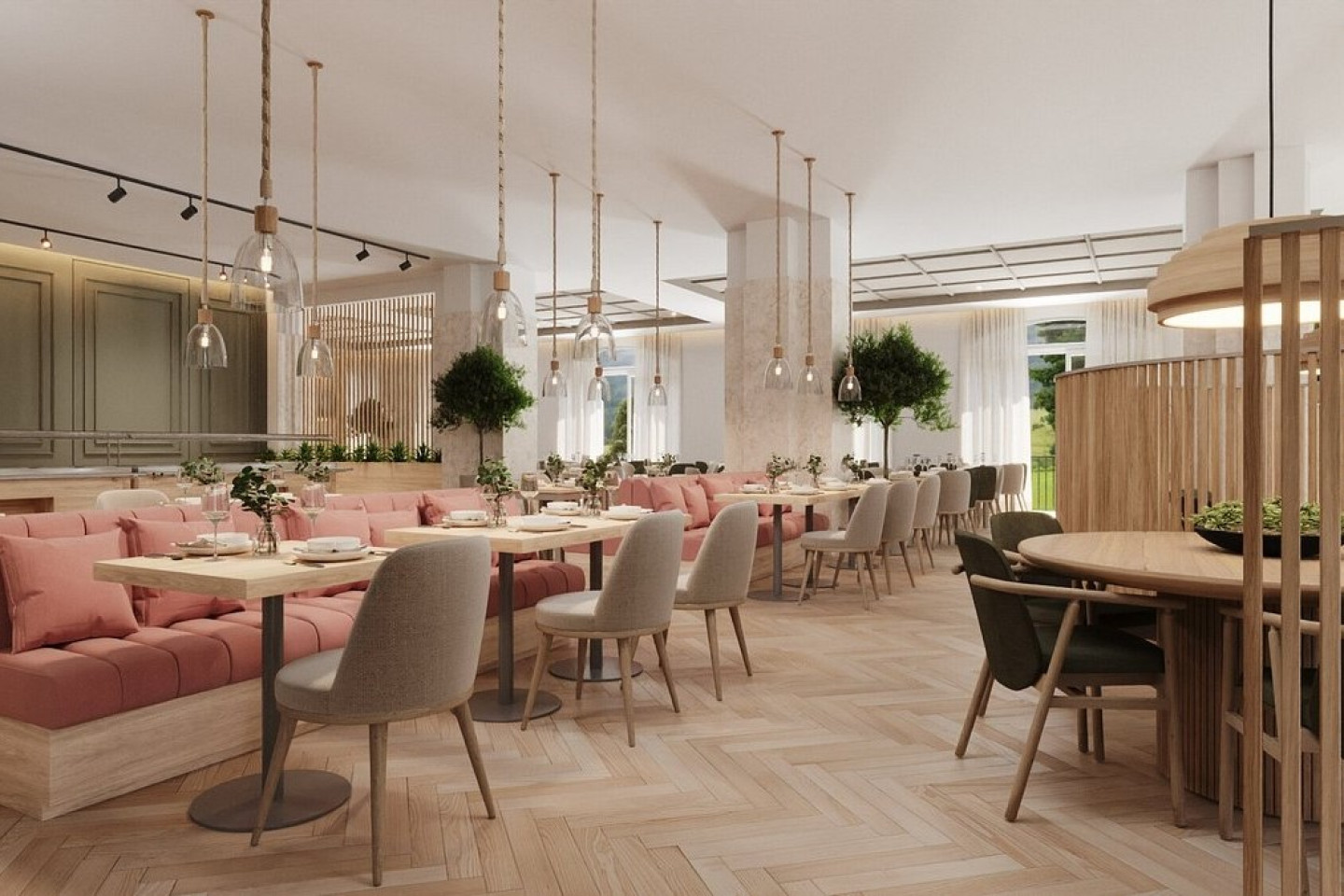
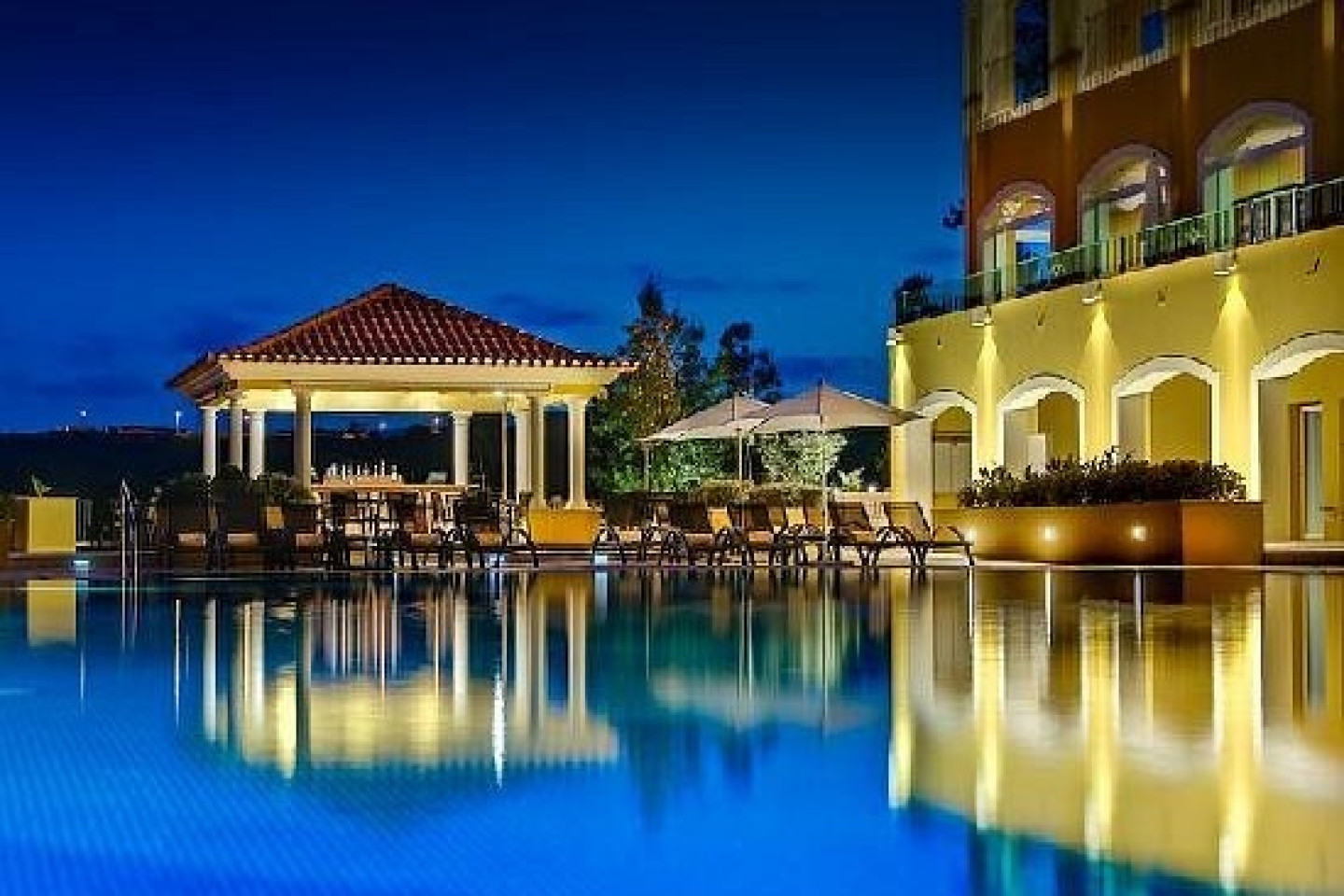
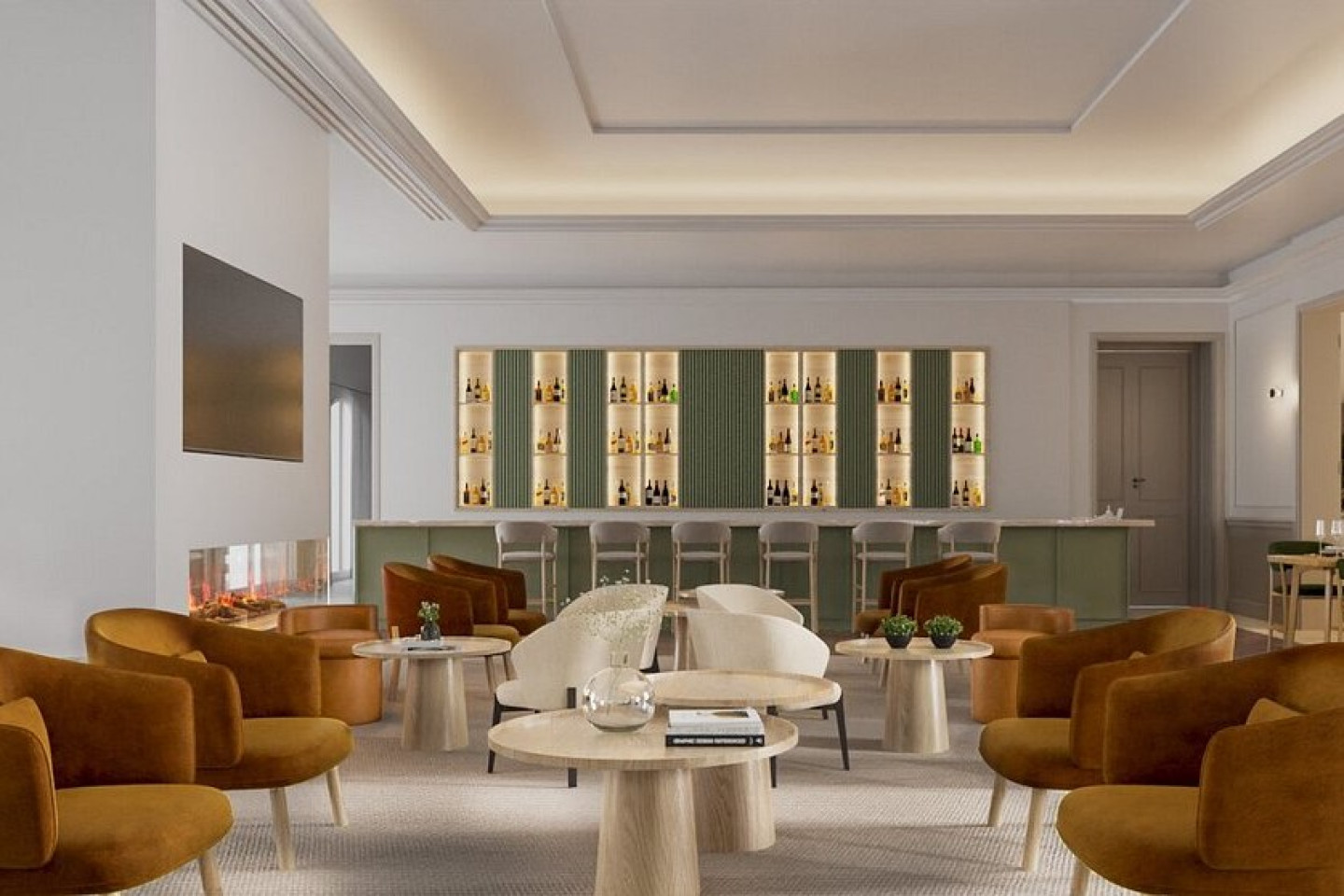
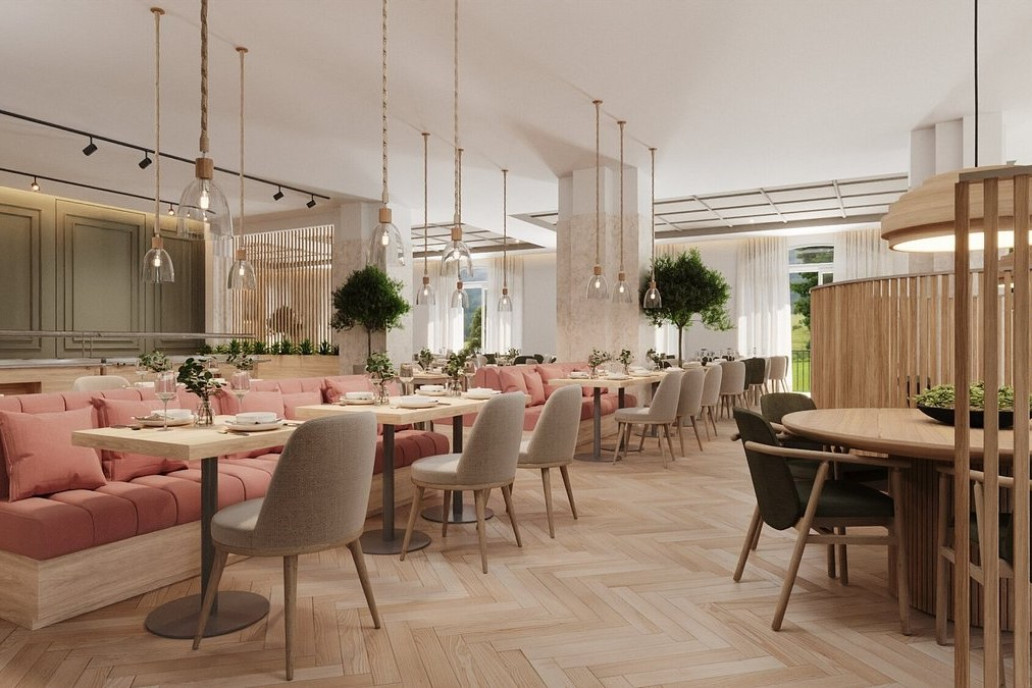
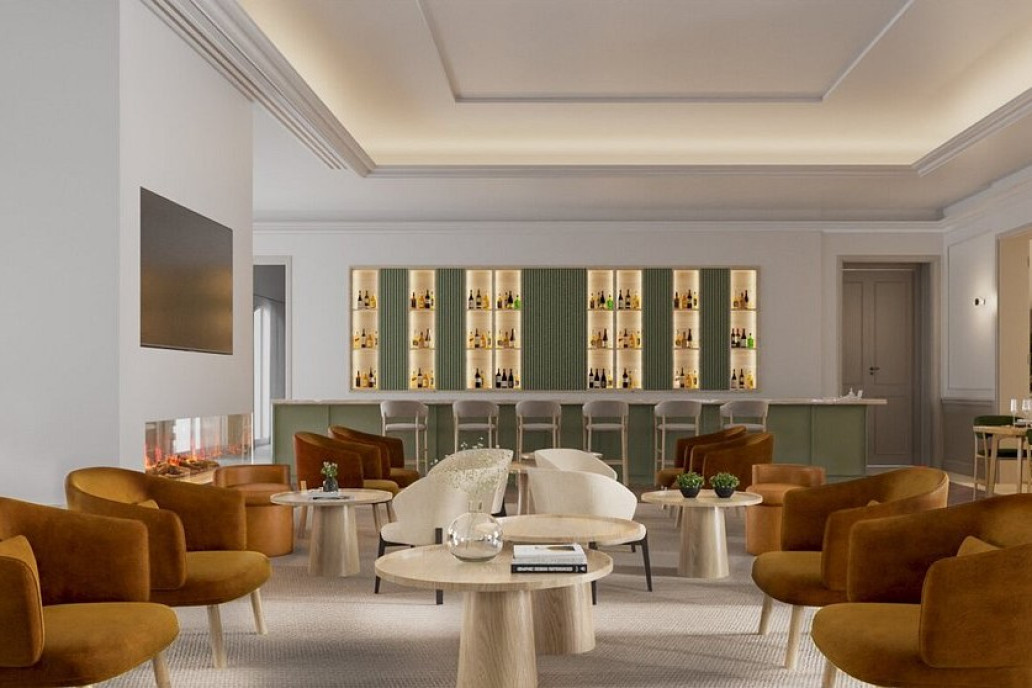
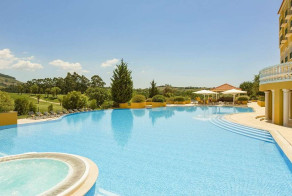
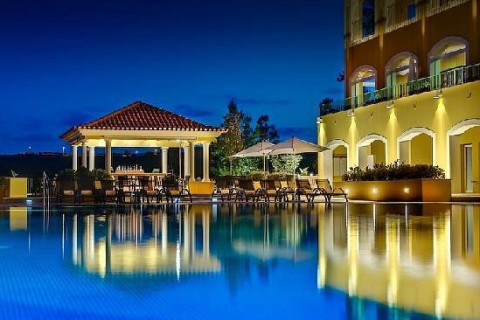
The hotel has three restaurants to provide a variety of gastronomic choices, and two bars including one beside the outdoor pool.
Hotel Facilities
- Complimentary Wi-Fi in guest rooms and throughout hotel and conference areas
- Indoor heated swimming pool
- Outdoor swimming pool with Jacuzzi
- Spa
- Gym
- Golf course
- 2 Tennis courts





General Information
Venue Rating
★ ★ ★ ★ ★
Currency
Euro (EUR)
Address
R. do Campo (Campo Real) 2565-770 Portugal
Nearest Airport
Lisbon Portela Airport
Location
The Dolce CampoReal Lisboa is nestled between the vineyards and the extraordinary landscape of the Socorro and Archeira Mountains.
Lisbon is only a short 30-minute drive away. The Portuguese capital is constantly recognised as one of the greatest cities in the world, a claim confirmed by the “Lonely Planet Guides", who named Lisbon one of the world’s top 10 cities. Lisbon in one of the world’s oldest cities, predating the likes of London, Rome and Paris by hundreds of years. Hillsides covered in tumbledown houses and a mix of baroque and neoclassical buildings, including cathedrals and palaces, make up Lisbon’s skyline. The city is a combination of old and new, with beautiful modern buildings constructed near renovated historical landmarks and ruins.


If you are interested in this meeting but not yet ready to register, you can sign up for updates here and our team will keep you updated regarding deadline reminders and grant opportunities relating to this meeting only.
Bronze Sponsors
Media Partners
If you're interested in sponsoring this conference please contact us.
Conference Manager

Emily Meen
Need some help? Chat to the Fusion team today
As a family run business, our dedication runs deep. We’re committed to each other and, even more so, to every attendee’s experience, delivering a level of care and passion that’s truly unmatched.