- Home
- Past Conferences
- 8th Nucleic Acids Conference



Synopsis
DNA and RNA are built from just four nucleotide elements but rich in information content and functional diversity. DNA sequence encodes the cell's genetic blueprint and operating system, and must be copied with unprecedented fidelity once every cell cycle. The integrity of the genetic blueprint is vital to the cell and maintained by various mechanisms to fend off the constant onslaught of DNA damage. In addition to replication, DNA is repeatedly transcribed to RNA for protein synthesis (translation) and cellular regulation (non-coding RNA). Nevertheless, readout of DNA at single-nucleotide level by cellular machineries takes place in the context of the compacted DNA form (chromosomes), within which 2 m of human genomic DNA are compacted and stored in the cell nucleus.
In contrast to the relatively uniform DNA double helix, RNA assumes versatile structure and function. RNA is the worker bee of genetics to the DNA's queen. In addition to its roles as messenger (mRNA), interpreter and amino acid-carrier (tRNA), RNA is also the critical functional part of the ribosome and spliceosome machines and can catalyze peptide bond formation and phosphoryl-transfer reactions (and who knows what more?) as ribozymes. Furthermore, RNA can act as a molecular switch responding to small molecules (riboswitches) to control gene expression or mediating and executing DNA and RNA cleavage as in the CRISPR-Cas defense system. Failure of any of these DNA and RNA transactions can lead to disease. Meanwhile application of antisense oligonucleotide (ASO) and CRISPR-Cas technology have revolutionized gene therapy, and cell and organism manipulation.
Key Sessions
In the 8th nucleic acid conference, the central theme will be to understand processes involving DNA and RNA at the molecular and chemical level, with a marked structural and mechanistic perspective. We plan to have an up-to-date discussion of the following:
• DNA replication in the context of chromatin and telomere
• DNA repair and recombination
• Transcription and splicing
• RNA structure and function
• Translation and post-translation modification
•. Gene editing by ASO and CRISPR-Cas9
• AI-assisted nucleic acid research
Confirmed Invited Speakers
Valérie Borde (Curie Institute)
SINGLE MOLECULE ANALYSES OF RECOMBINATION-ASSOCIATED DNA SYNTHESIS
Yiliang Ding (John Innes Centre)
RNA STRUCTURE, AN IMPORTANT REGULATOR IN LIVING CELLS
Sebastian Fica (Oxford University)
MAKING mRNAs: ATPase REMODELLING AND SPLICE SITE SELECTION IN THE HUMAN SPLICEOSOME
Yang Gao (Rice University)
BIOCHEMICAL PROFILING AND STRUCTURAL BASIS OF ADAR1-MEDIATED RNA EDITING
Eric Greene (Columbia University)
SINGLE MOLECULE STUDIES OF DNA RECOMBINATION
Alba Guarné (McGill University)
TARGET-SITE SELECTION MECHANISMS OF THE Tn7 TRANSPOSON
Nick Guydosh (NIH)
Taekjip Ha (Harvard University)
Yuan He (Johns Hopkins University)
STRUCTURAL BASIS OF DNA DOUBLE-STRAND BREAK REPAIR BY NHEJ
Leemor Joshua-Tor (Cold Spring Harbor Lab)
MAD ABOUT U: REGULATING THE let-7 miRNA PATHWAY
Ailong Ke (Yale University)
LEVERAGING MECHANISTIC INSIGHTS FOR CRISPR TOOL DEVELOPMENT
Elizabeth Kellogg (St. Jude's Childrens Research Hospital)
UNDERSTANDING AND ENGINEERING TRANSPOSONS FOR GENOME-EDITING
Jeffrey Kieft (New York Structual Biology Center)
NEW METHODS, CHALLENGES, AND FRONTIERS IN RNA STRUCTURAL BIOLOGY
Ci Ji Lim (University of Wisconsin-Madison)
NEW INSIGHTS INTO HUMAN TELOMERE MAINTENANCE MACHINERY
Giulia Palermo (University of California)
COMPUTATIONAL GENE EDITING
Lori Passmore (MRC)
MECHANISTIC INSIGHTS INTO THE mRNA POLY(A) TAIL MACHINERY
Titia Sixma (Netherlands Cancer Institute)
STRUCTURAL STUDIES IN MMR ACTIVATION
Song Tan (Penn State University)
HOW CHROMATIN PROTEINS AND ENZYMES RECOGNISE THE NUCLEOSOME
Keith Weninger (North Carolina State University)
MISMATCH REPAIR PROTEIN IMPACTS ON ATYPICAL TRINUCLEOTIDE REPEAT DNA CONFIGURATIONS
Steve West (Francis Crick Institute)
THE TWO RAD51 PARALOG COMPLEXES – CHANGING PARADIGMS
Eric Westhof (Université de Strasbourg)
GEOMETRIC RECOGNITION AND RNA MODIFICATIONS IN TRANSLATION
Cynthia Wolberger (Johns Hopkins Medical School)
HISTONE UBIQUITINATION IN TRANSCRIPTION REGULATION
Sarah Woodson (Johns Hopkins University)
STICK SLIP UNFOLDING AND AGGREGATION OF TRIPLET REPEAT RNA
Wan Yue (Genome Institute of Singapore)
Yuanliang Zhai (HKUST)
STRUCTURE AND FUNCTION OF EUKARYOTIC REPLISOME
Jinwei Zhang (NIH)
RECOGNITION ND MIMICRY OF THE tRNA FOLD
Xiaodong Zhang (Imperial College London/ Francis Crick Institute)
HOW A MOLECULAR MOTOR OPENS UP DOUBLE-STRANDED DNA FOR TRANSCRIPTION
Xiaolan Zhao (Memorial Sloan Kettering Cancer Center)
SMC-BASED REGULATION OF DNA REPAIR
Confirmed Speakers
Chairs
David Lilley
University of Dundee
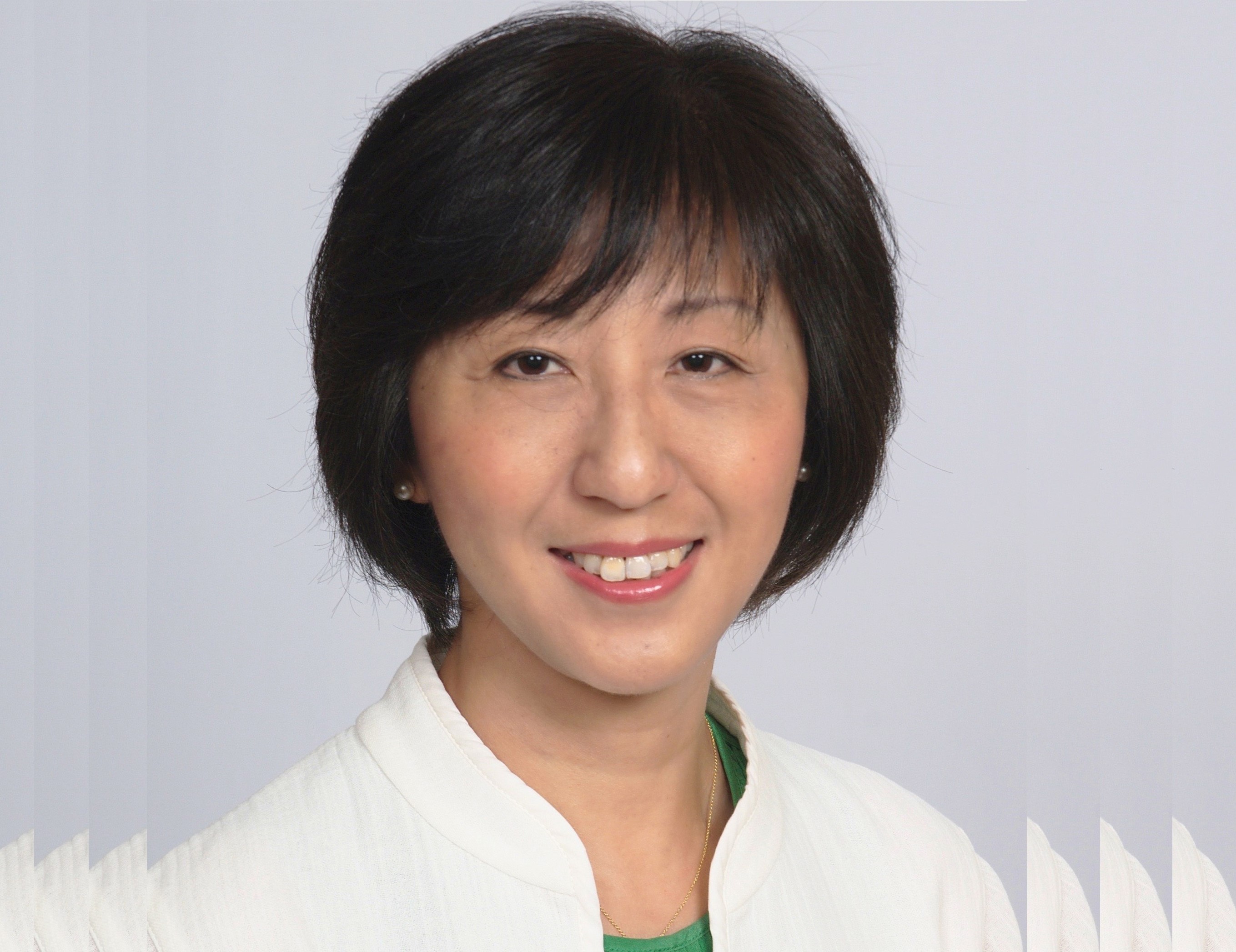
Wei Yang
NIH
Invited Speakers
Valérie Borde
Curie Institute
Yiliang Ding
John Innes Centre
Sebastian Fica
Oxford University
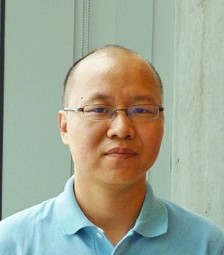
Yang Gao
Rice University
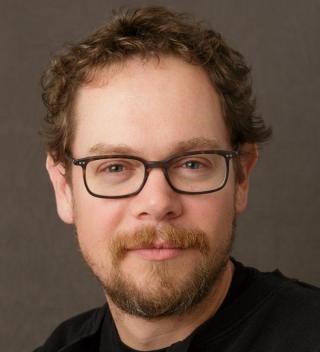
Eric Greene
Columbia University
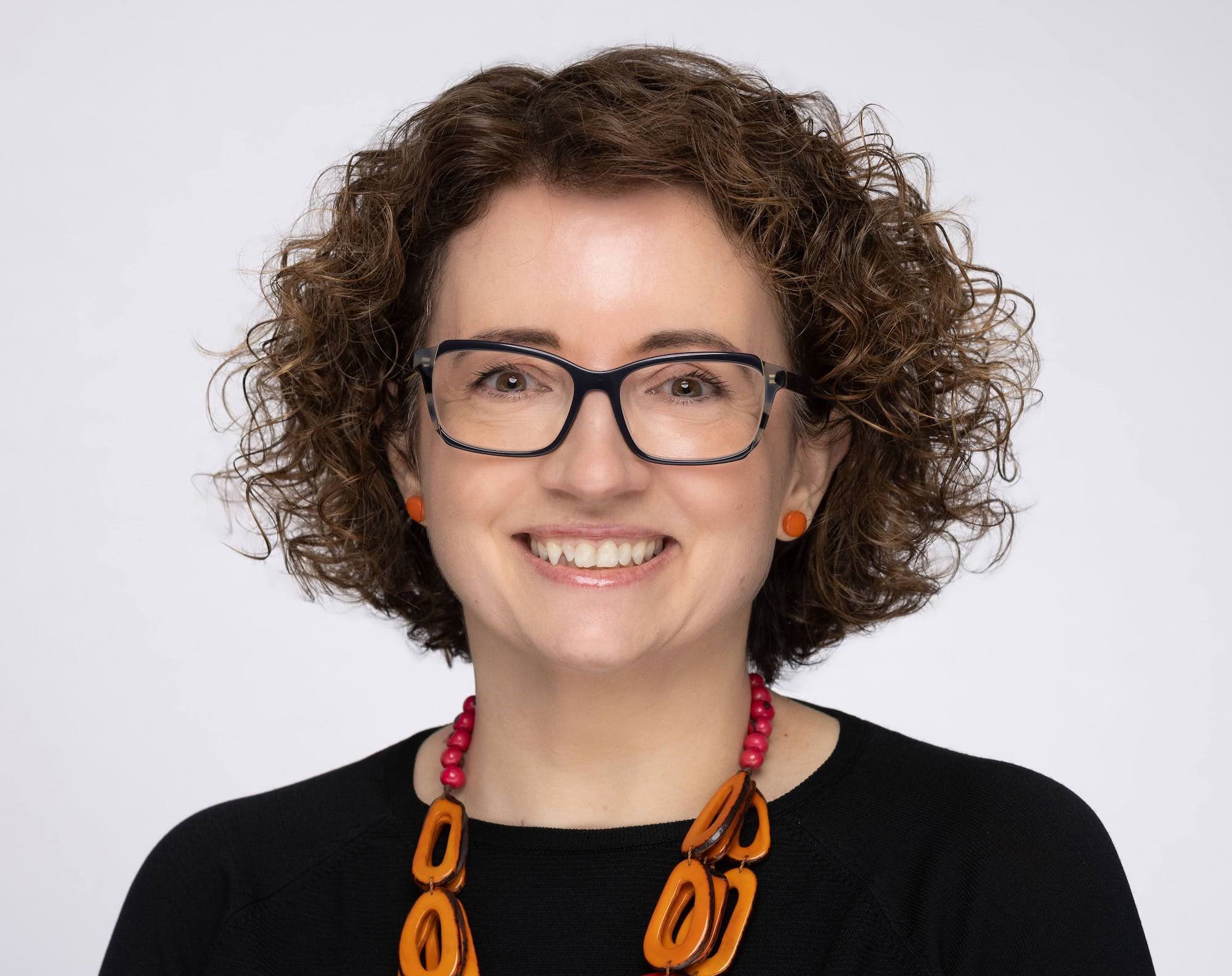
Alba Guarné
McGill University
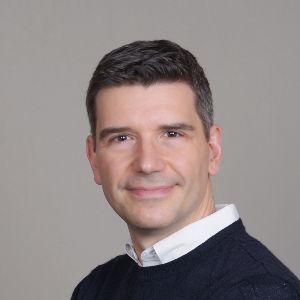
Nick Guydosh
NIH
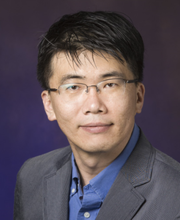
Taekjip Ha
Harvard University
Yuan He
Johns Hopkins University
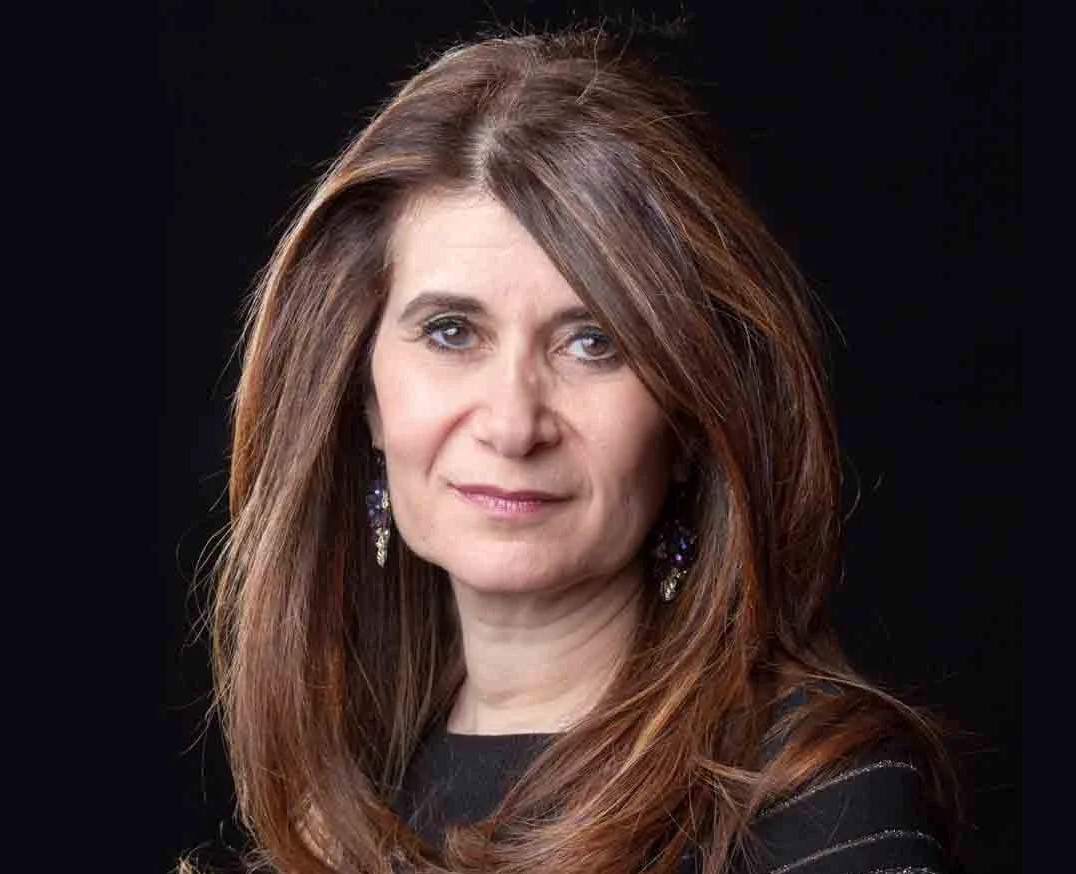
Leemor Joshua-Tor
Cold Spring Harbor Lab
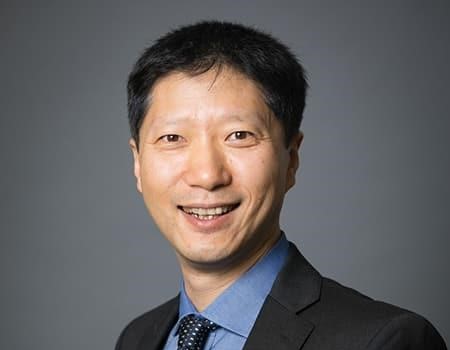
Ailong Ke
Yale University

Elizabeth Kellogg
St. Jude's Childrens Research Hospital
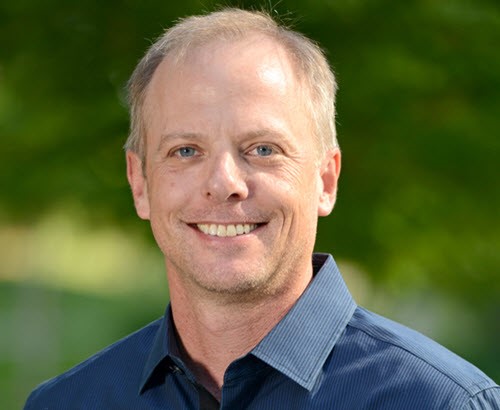
Jeffrey Kieft
New York Structual Biology Center
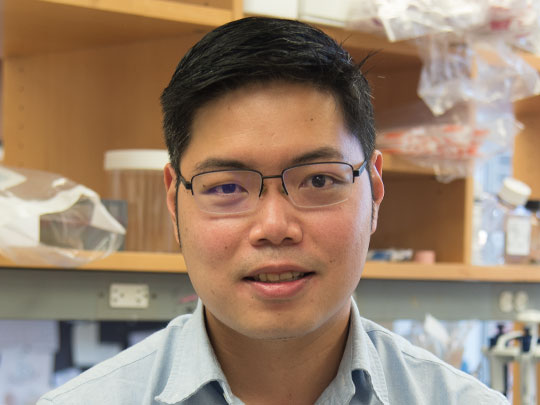
Ci Ji Lim
University of Wisconsin-Madison
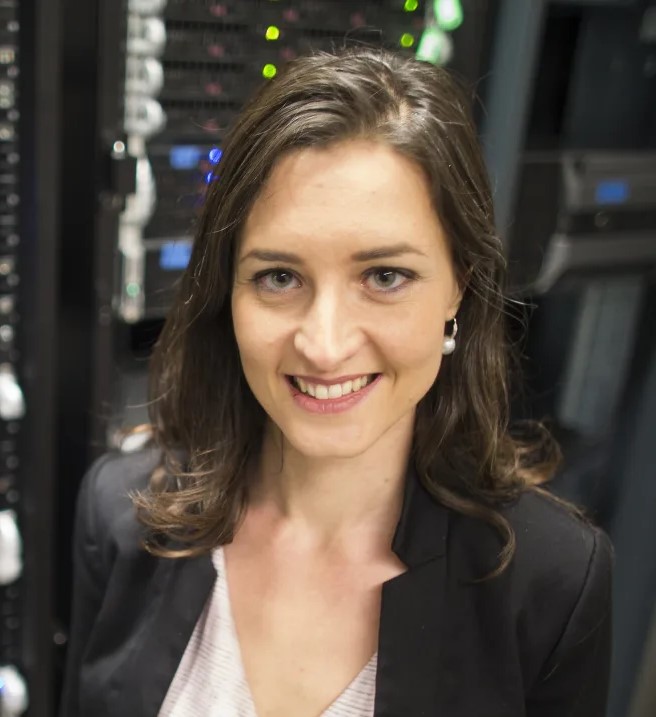
Giulia Palermo
University of California
Lori Passmore
MRC
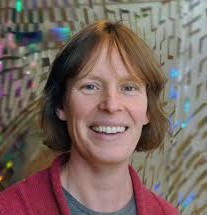
Titia Sixma
Netherlands Cancer Institute
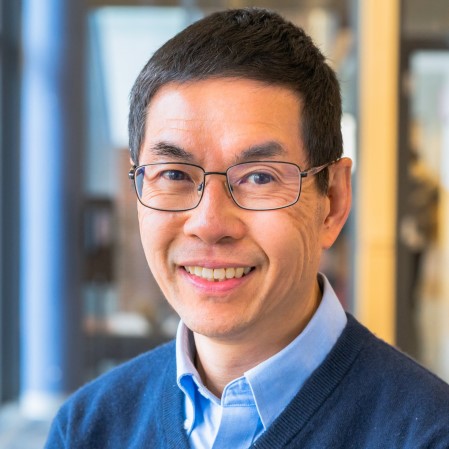
Song Tan
Penn State
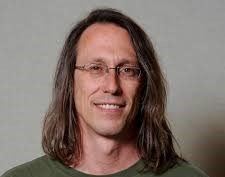
Keith Weninger
North Carolina State University
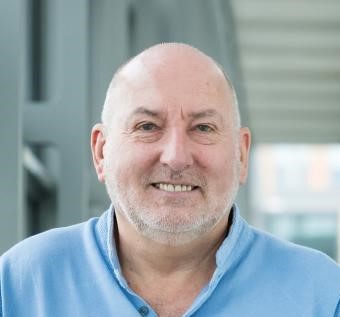
Steve West
Francis Crick Institute
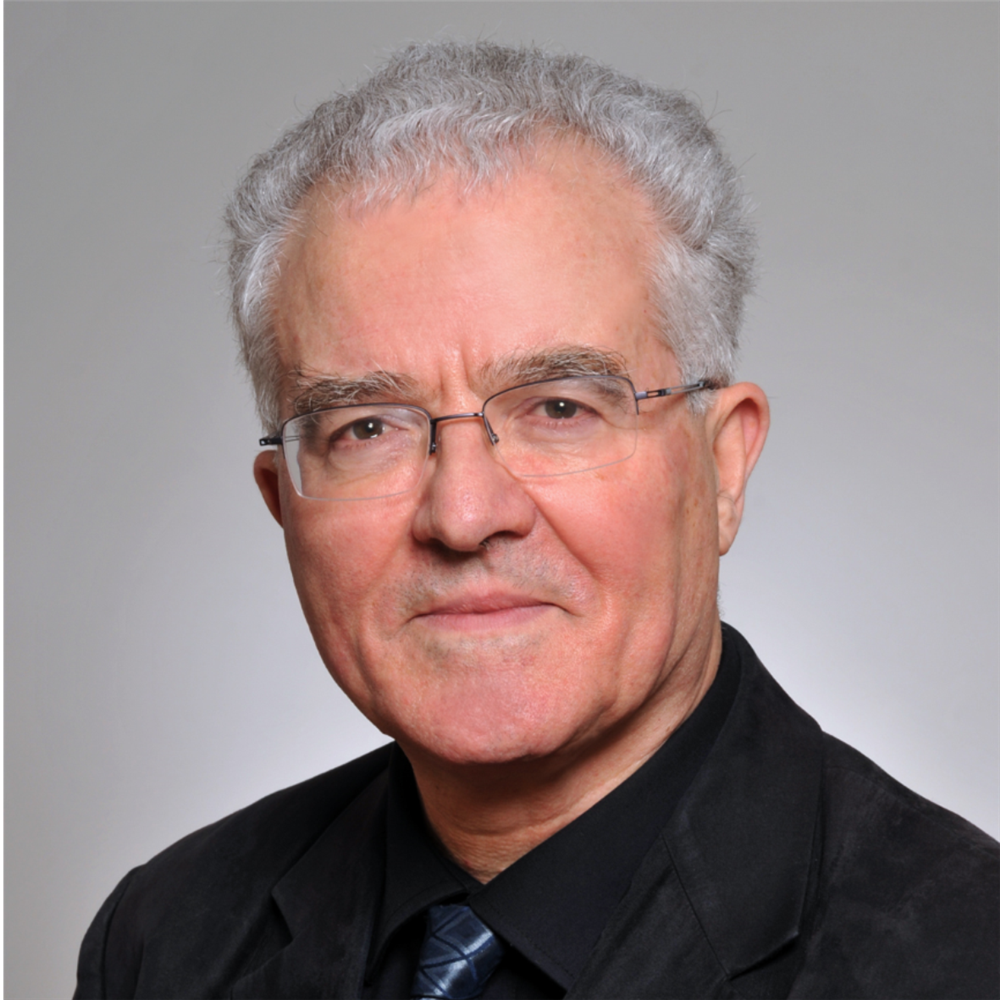
Eric Westhof
Université de Strasbourg
Cynthia Wolberger
Johns Hopkins Medical School
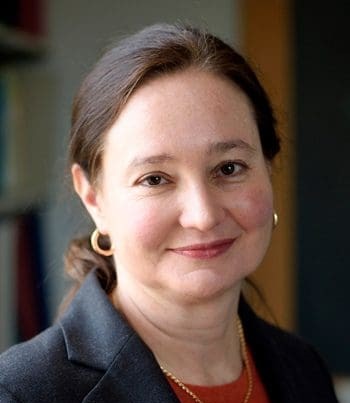
Sarah Woodson
Johns Hopkins University
Wan Yue
Genome Institute of Singapore
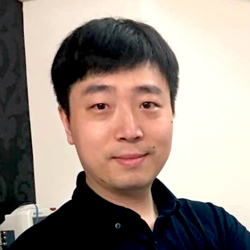
Yuanliang Zhai
HKUST
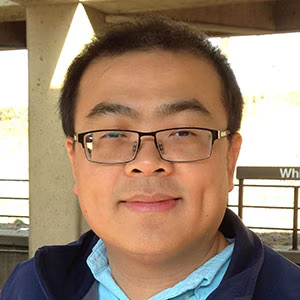
Jinwei Zhang
NIH
Xiaodong Zhang
Imperial College London/ Francis Crick Institute
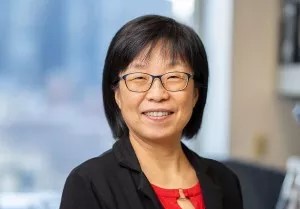
Xiaolan Zhao
Memorial Sloan Kettering Cancer Center
Programme
Although the below programme is the most up to date version, please note it is still a draft copy and is subject to change. We will continue to upload the latest version here, and circulate a final copy to all participants in the week before the meeting.
Grants
X5 €1,000 Registration discount grants available for students, postdocs and junior investigators
To apply, email: felicity@fusion-conferences.com with;
- An abstract for short talk or poster consideration
- A short statement as to why you would benefit from attending the meeting
Applications to be submitted by 23rd January 2025. T&C’s Apply
Venue & Location
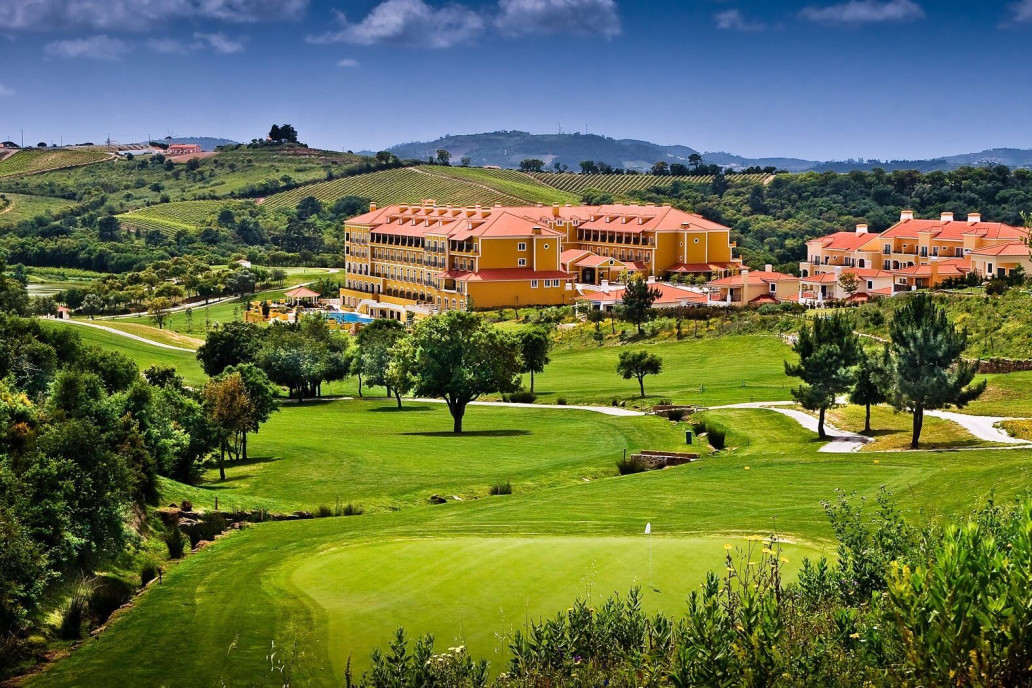
Dolce CampoReal Lisboa
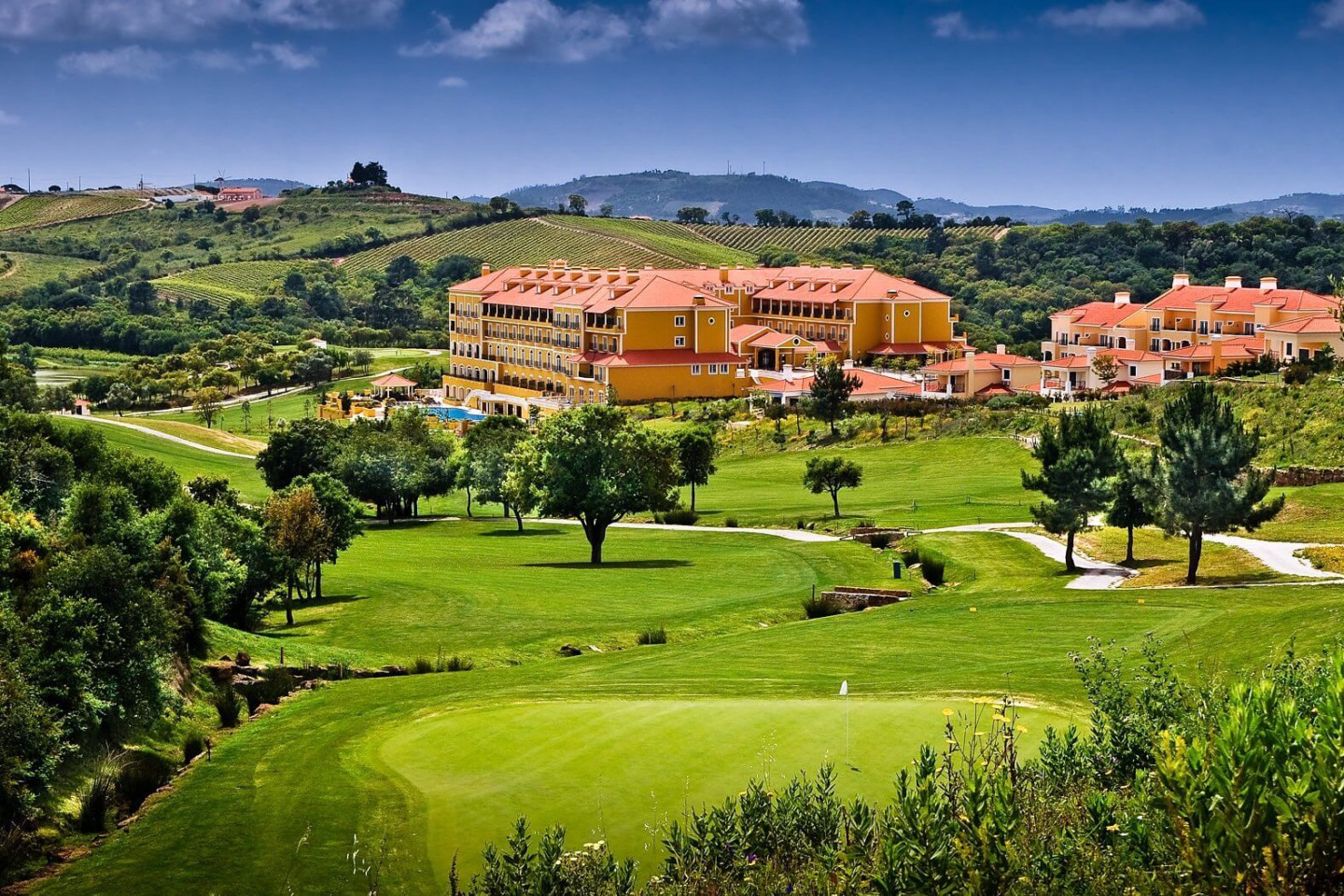
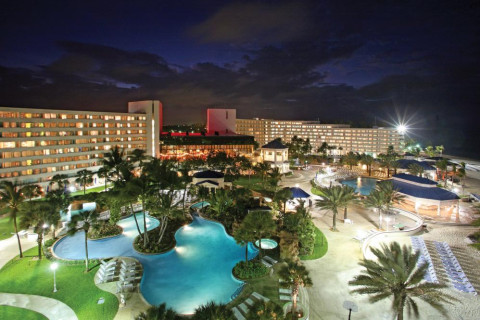
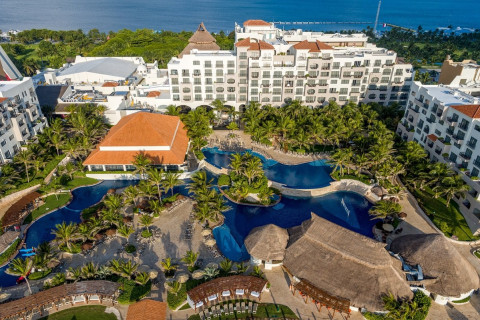
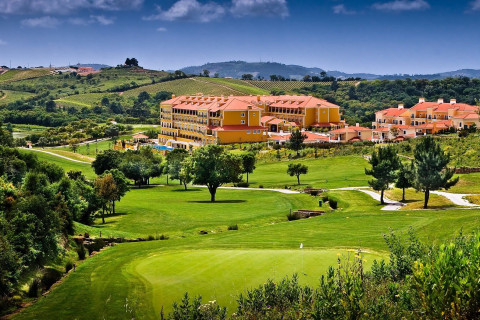
Located in Torres Vedras, just a 30-minute drive from Lisbon, Dolce CampoReal Lisboa offers unique tranquillity, as a result of its idyllic environment. The hotel offers stunning views over the golf course, vineyards and the extraordinary landscape of Socorro and Archeira Mountains.
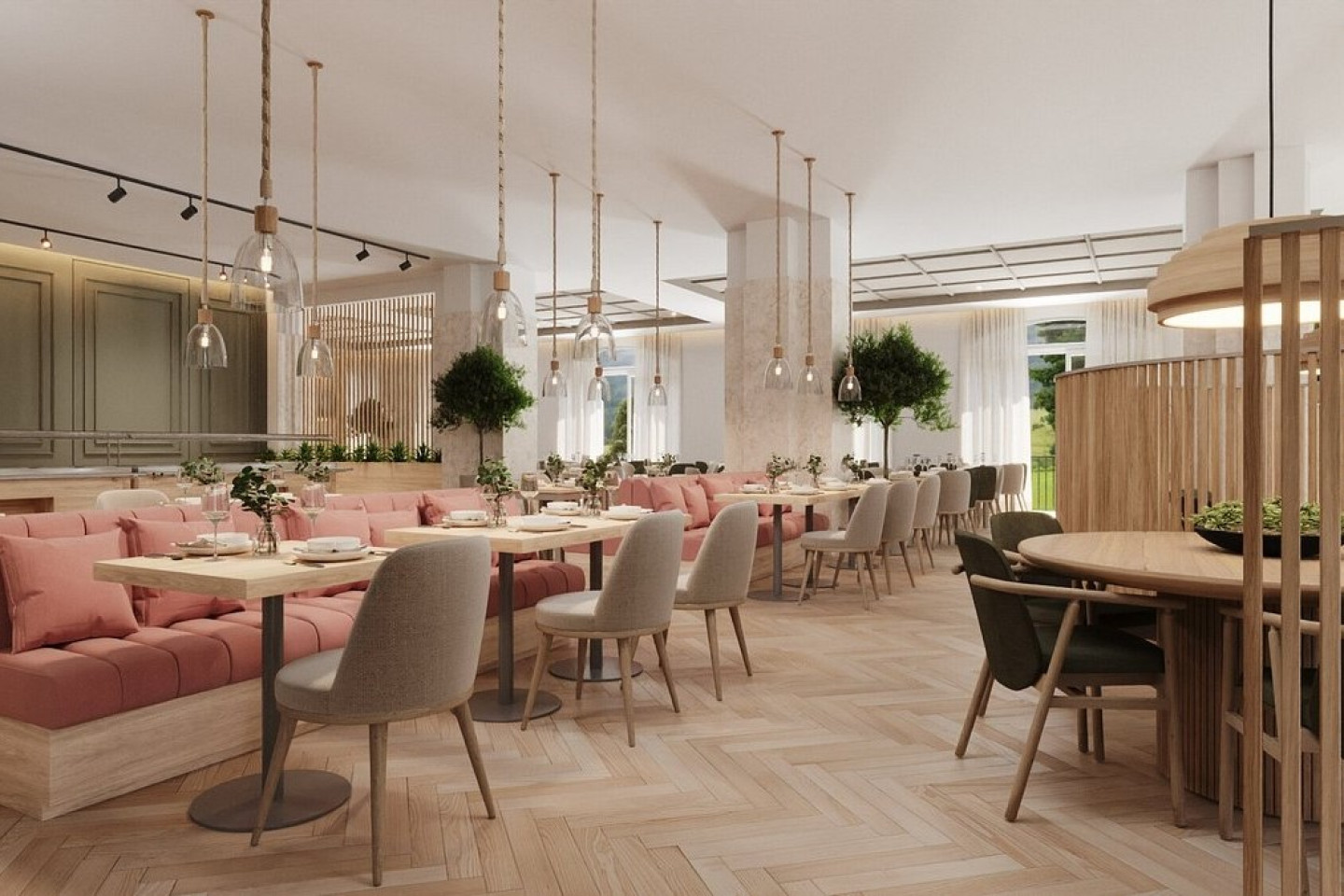
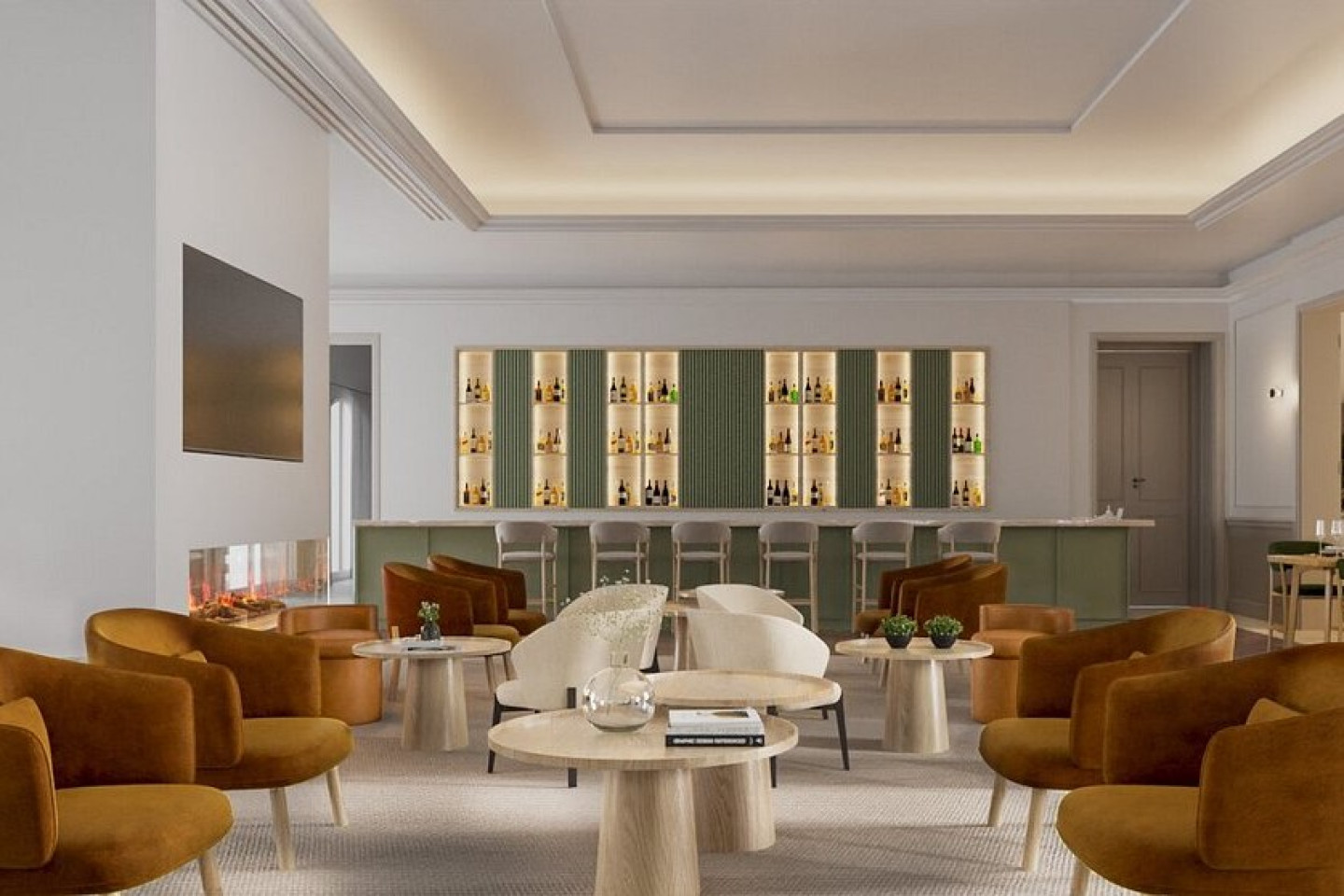
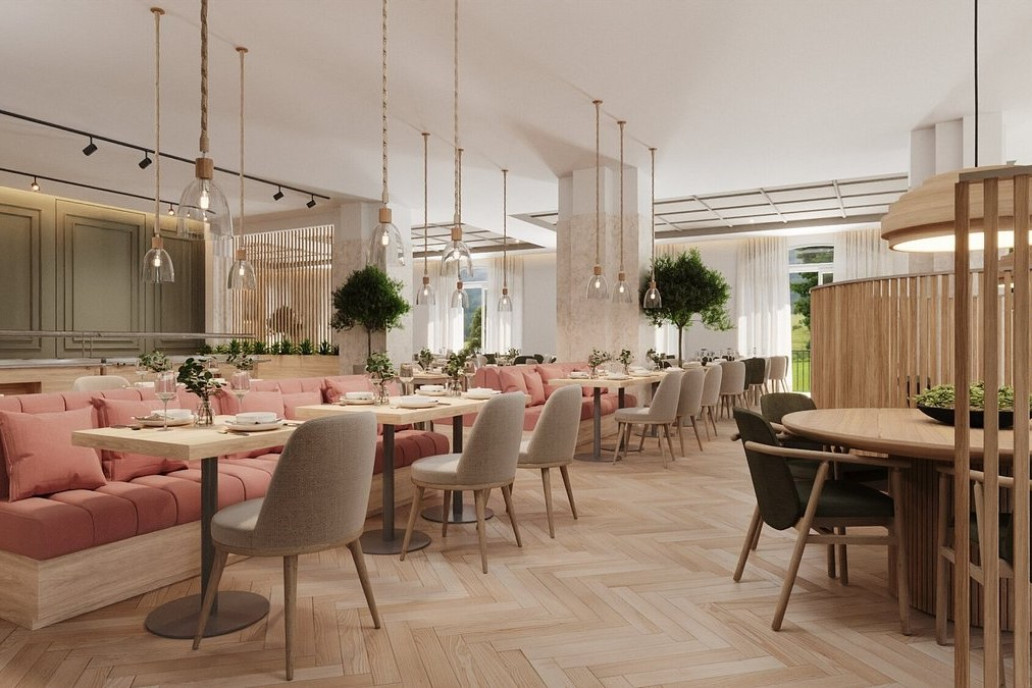
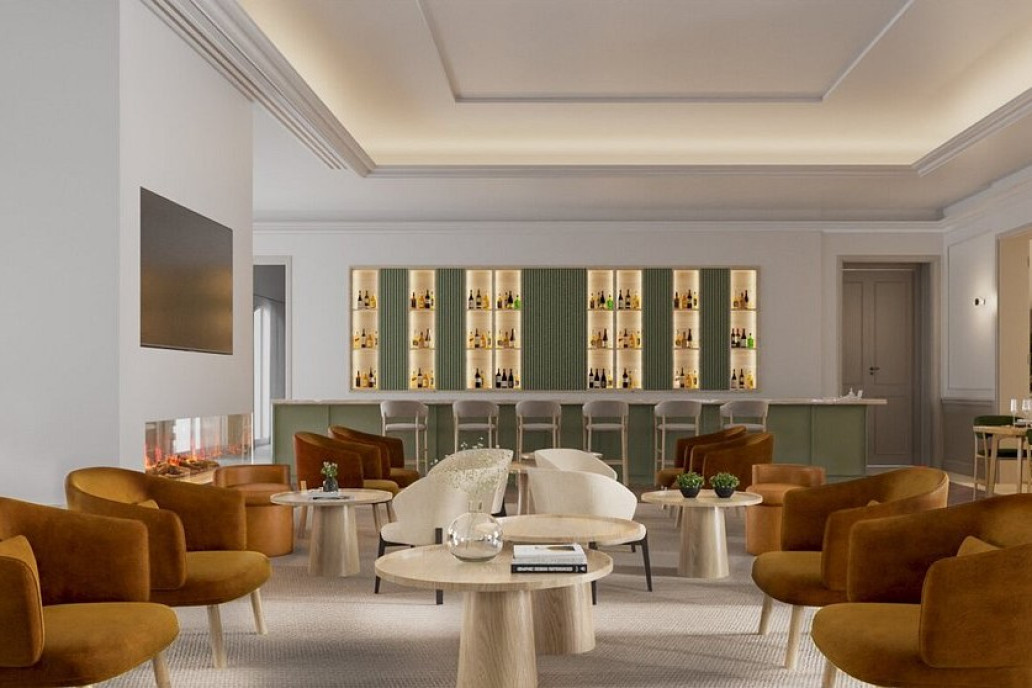
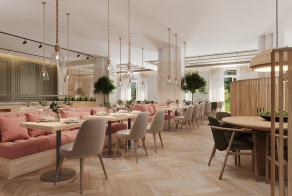
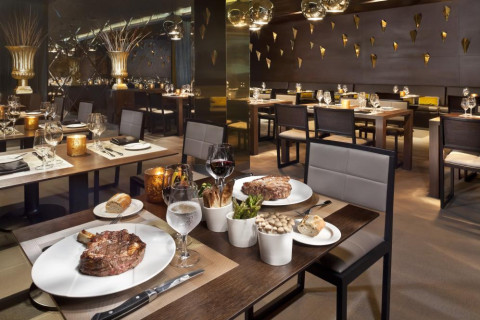
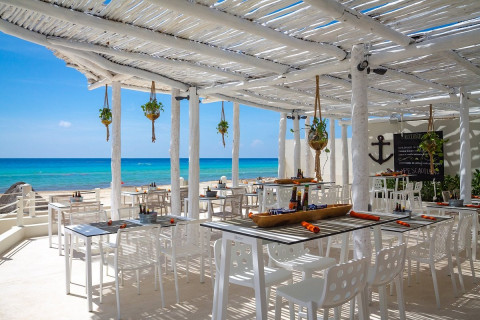
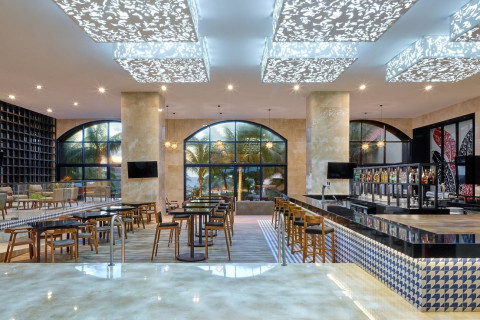
The hotel has three restaurants to provide a variety of gastronomic choices, and two bars including one beside the outdoor pool.
Hotel Facilities
- Complimentary Wi-Fi in guest rooms and throughout hotel and conference areas
- Indoor heated swimming pool
- Outdoor swimming pool with Jacuzzi
- Spa
- Gym
- Golf course
- 2 Tennis courts







General Information
Venue Rating
★ ★ ★ ★ ★
Currency
Euro (EUR)
Address
R. do Campo (Campo Real) 2565-770 Portugal
Nearest Airport
Lisbon Portela Airport
Location
The Dolce CampoReal Lisboa is nestled between the vineyards and the extraordinary landscape of the Socorro and Archeira Mountains.
Lisbon is only a short 30-minute drive away. The Portuguese capital is constantly recognised as one of the greatest cities in the world, a claim confirmed by the “Lonely Planet Guides", who named Lisbon one of the world’s top 10 cities. Lisbon in one of the world’s oldest cities, predating the likes of London, Rome and Paris by hundreds of years. Hillsides covered in tumbledown houses and a mix of baroque and neoclassical buildings, including cathedrals and palaces, make up Lisbon’s skyline. The city is a combination of old and new, with beautiful modern buildings constructed near renovated historical landmarks and ruins.












If you are interested in this meeting but not yet ready to register, you can sign up for updates here and our team will keep you updated regarding deadline reminders and grant opportunities relating to this meeting only.
Conference Manager
Felicity Harrap
Need some help? Chat to the Fusion team today
As a family run business, our dedication runs deep. We’re committed to each other and, even more so, to every attendee’s experience, delivering a level of care and passion that’s truly unmatched.