- Home
- Past Conferences
- Redox Biology in Health and Disease Conference






Redox Biology in Health and Disease Conference
Understanding the biological function of ROS, NAD, and antioxidants in physiology and pathology. #RedoxBio25
03 Nov - 06 Nov 2025
Riviera Maya, Mexico
-
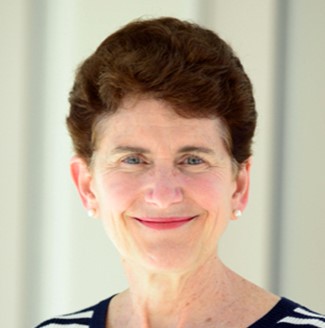
Celeste Simon
University of Pennsylvania
-
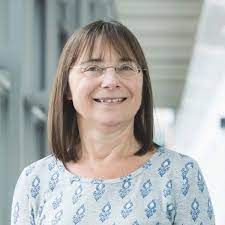
Karen Vousden
Francis Crick Institute
-

Navdeep S. Chandel
Northwestern University
Early Bird - Expired • Talk Submission - Expired • Poster Submission - Expired • Registration & Payment Deadline - Expired
Synopsis
Redox biology is a fundamental aspect of cellular and molecular physiology that involves the study of oxidation-reduction (redox) reactions crucial for life processes. These reactions are responsible for the transfer of electrons among molecules and are vital for energy production, cellular signaling, and the regulation of cellular stress. Central to understanding redox biology are molecules like reactive oxygen species (ROS), nicotinamide adenine dinucleotide (NAD), and glutathione (GSH), which play significant roles in maintaining cellular health and contributing to disease pathogenesis.
ROS are chemically reactive molecules containing oxygen, produced naturally within biological systems. They are crucial in regulating a variety of cellular functions such as signal transduction, immune responses, and cellular homeostasis. Specifically, ROS are involved in critical regulatory processes including protein phosphorylation, gene expression, and the induction of apoptosis, particularly active in cellular compartments like mitochondria. However, an excessive accumulation of ROS leads to oxidative stress, which can damage cells and tissues by oxidizing lipids, proteins, and DNA. This oxidative stress is a contributing factor to many diseases, including cardiovascular diseases, diabetes, and neurodegenerative disorders.
Counterbalancing the detrimental effects of ROS, the body utilizes several antioxidant mechanisms, including GSH and specific enzymes like superoxide dismutases and glutathione peroxidases. GSH, a potent intracellular antioxidant made up of glutamate, cysteine, and glycine, is crucial for protecting cells against oxidative damage and maintaining redox homeostasis. It also plays a role in detoxifying harmful compounds, which is essential for cellular function and survival. Dysregulation in GSH levels is linked to various conditions characterized by oxidative stress, such as Alzheimer’s disease, Parkinson’s disease, liver diseases, and the general process of aging. Therapeutic strategies aimed at boosting GSH levels through dietary supplements or precursors like N-acetyl-cysteine (NAC) are being explored to improve outcomes in these oxidative stress-related diseases.
NAD is another cornerstone of redox biology, serving as a key cofactor in metabolic processes that are critical for life. It plays essential roles in energy production, cellular repair, and the regulation of longevity. NAD is integral to redox reactions that fuel cellular metabolism, supports DNA repair, gene expression, and mitochondrial function. It also influences aging by modulating the activity of sirtuins, proteins dependent on NAD for their function, which are involved in metabolic regulation and aging processes. The therapeutic potential of enhancing NAD levels is significant, as this strategy is being investigated for treating age-related degenerative diseases, including Parkinson’s and Alzheimer’s diseases, where initial studies have shown promising results.
Moreover, fluctuations in NAD levels are linked with various pathological conditions, such as metabolic disorders, neurodegenerative diseases, and cancer, emphasizing its crucial role in managing oxidative stress and inflammation. Understanding the intricate roles and interactions of ROS, NAD, and GSH within the framework of redox biology not only highlights their importance in health and disease but also underscores the potential of therapeutic interventions that aim to balance these crucial molecules. Such strategies hold the promise of preventing and treating a diverse array of diseases, particularly those associated with aging and oxidative stress.
Confirmed Invited Speakers
Issam Ben-Sahra (Northwestern University)
REGULATION OF NUCLEOTIDE METABOLISM
Donita Brady (University of Pennsylvania)
Ed Chouchani (Dana-Farber Cancer Institute)
Lydia Finley (Memorial Sloan Kettering Cancer Center)
Marcia Haigis (Harvard Medical School)
Gerta Hoxhaj (University of Texas Southwestern Medical Center)
Isha Jain (University of California, San Francisco)
Luke O’Neill (Trinity College Dublin)
Thales Papagiannakopoulos (NYU Langone)
David Sabatini (Czech Academy of Sciences)
Jessica Spinelli (UMass Chan Medical School)
Ramon Sun (University of Florida)
Lloyd Trotman (Cold Spring Harbor Laboratory)
Mariia Yuneva (Francis Crick Institute)
Target Audience
This conference will appeal to scientists and clinicians interested in basic biology of redox as well as how antioxidants and NAD+ supplements confer positive effects on healthy living and longevity.
Educational Need
This conference will bring together scientists providing a solid foundation in the basic principles of redox biology, including the chemistry of oxidation-reduction reactions, the types of molecules involved (like ROS, NAD, and GSH), and their roles in cellular physiology. The conference will offer updates on the latest research and developments in the field, including recent discoveries about the role of redox processes in cellular signaling, immune responses, and the pathogenesis of diseases like cancer. The conference will give you the opportunity to discuss the clinical implications of redox biology, such as the links between oxidative stress and NAD to diseases like Parkinson’s, and cancer.
Confirmed Speakers
Chairs
Celeste Simon
University of Pennsylvania
Karen Vousden
Francis Crick Institute
Navdeep S. Chandel
Northwestern University
Invited Speakers
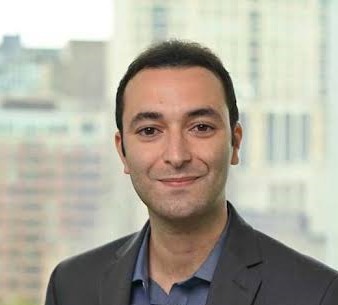
Issam Ben-Sahra
Northwestern University

Donita Brady
University of Pennsylvania
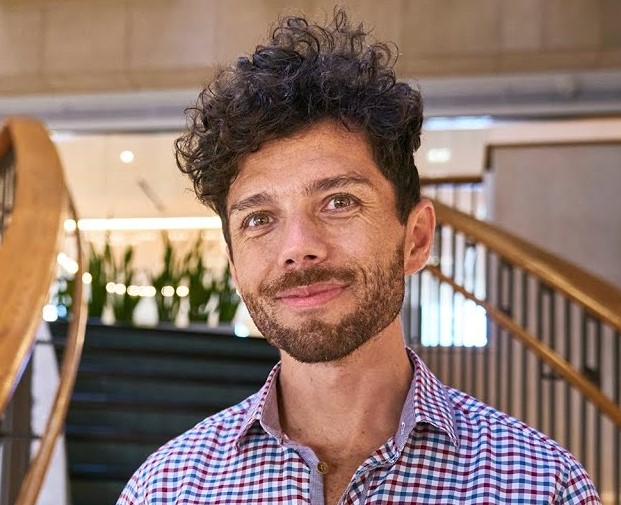
Ed Chouchani
Dana-Farber Cancer Institute
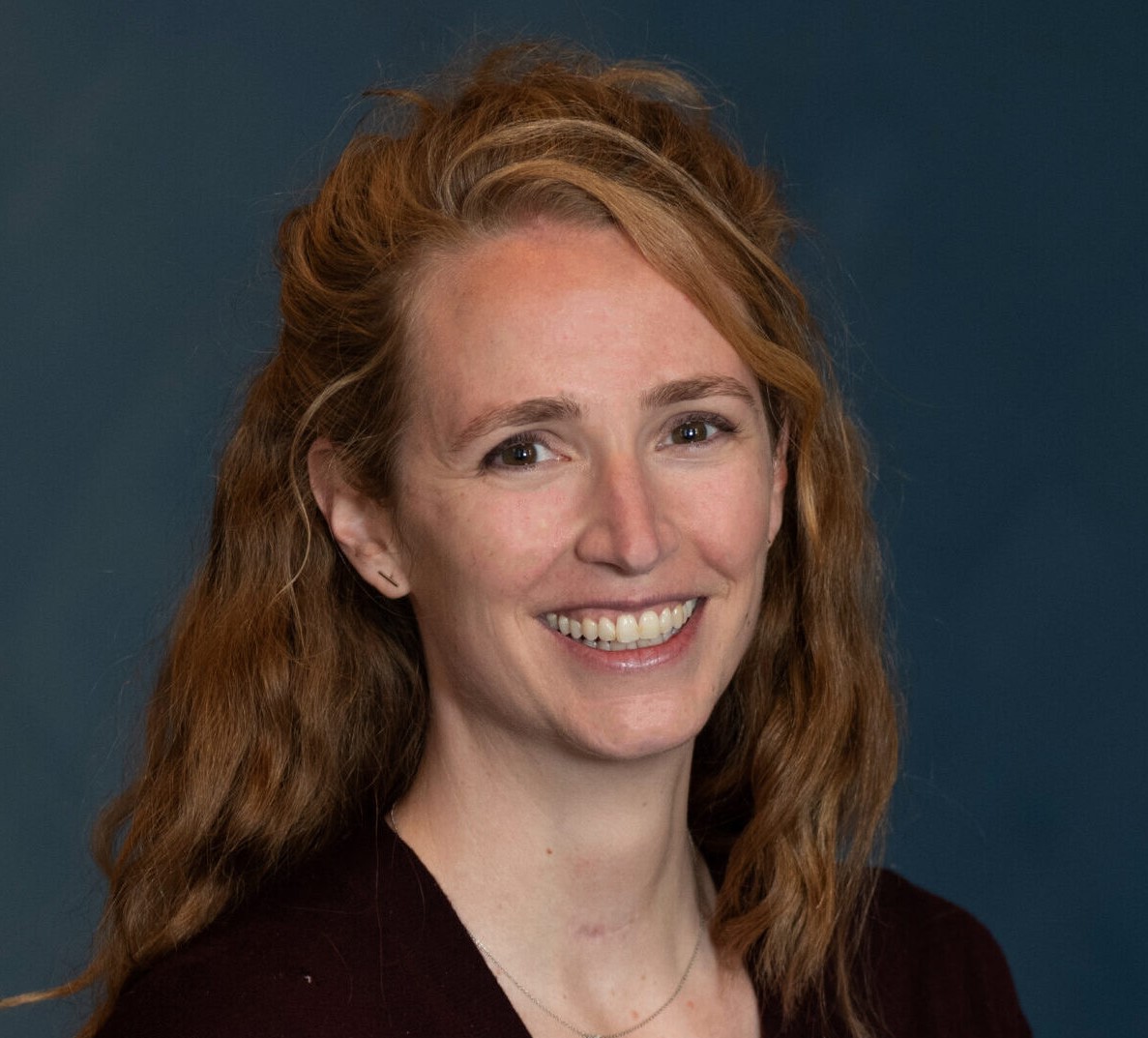
Lydia Finley
Memorial Sloan Kettering Cancer Center
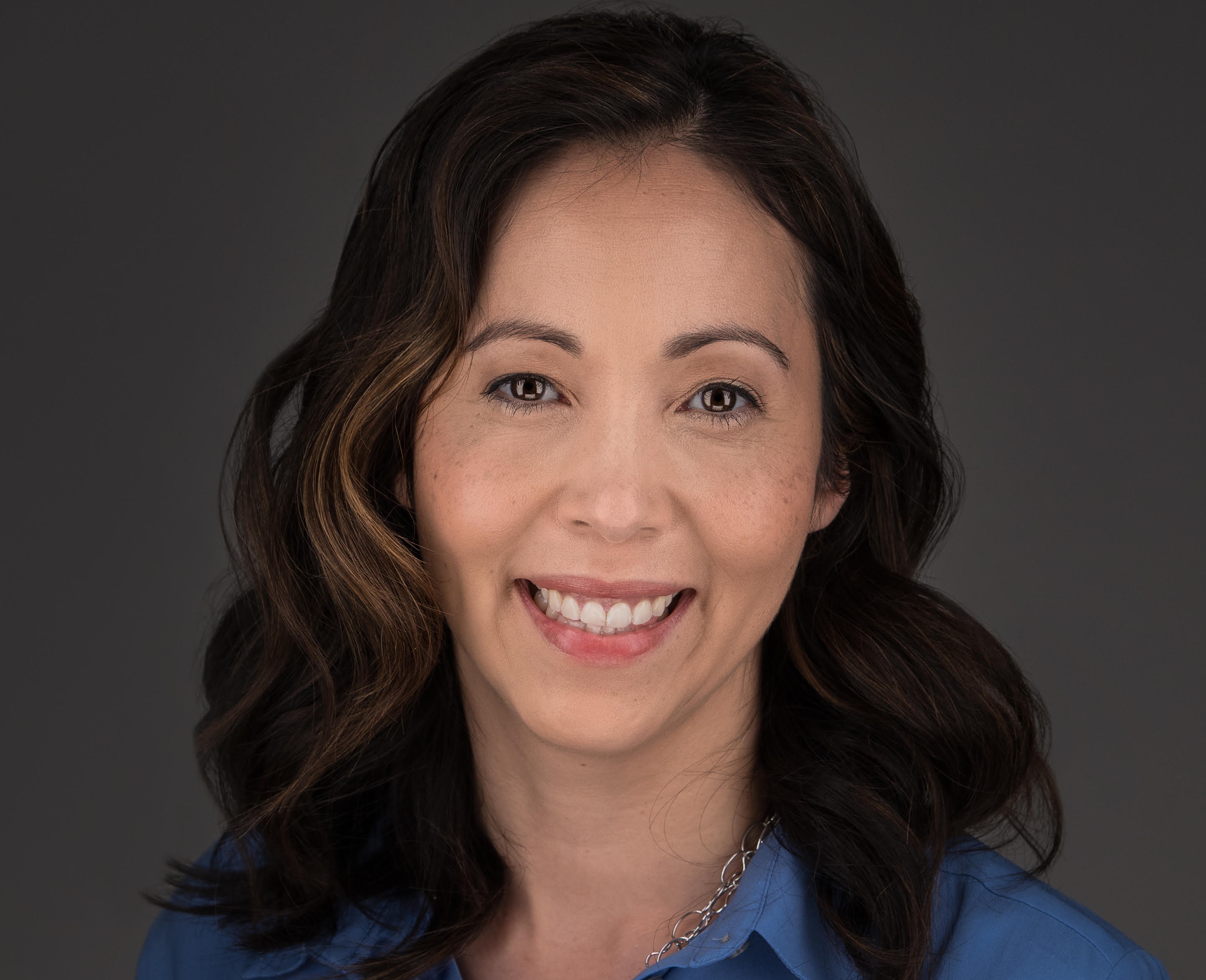
Marcia Haigis
Harvard Medical School
Gerta Hoxhaj
University of Texas Southwestern

Isha Jain
University of California, San Francisco
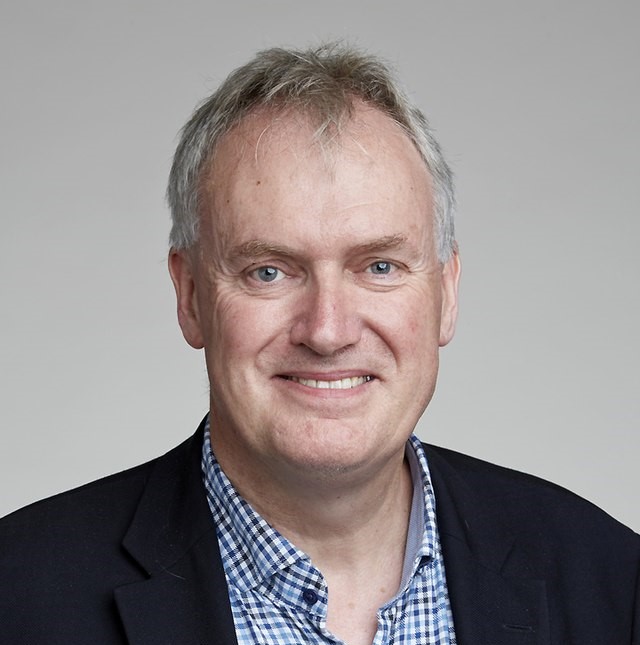
Luke O’Neill
Trinity College Dublin
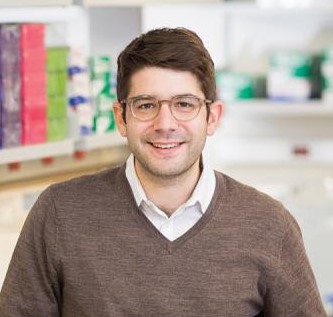
Thales Papagiannakopoulos
NYU Langone
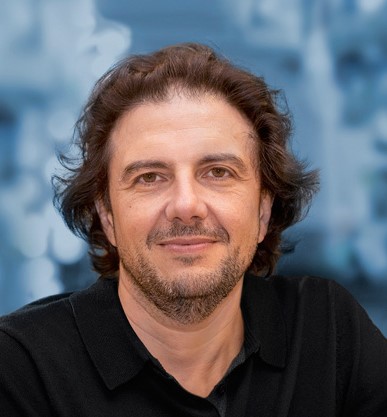
David Sabatini
Czech Academy of Sciences
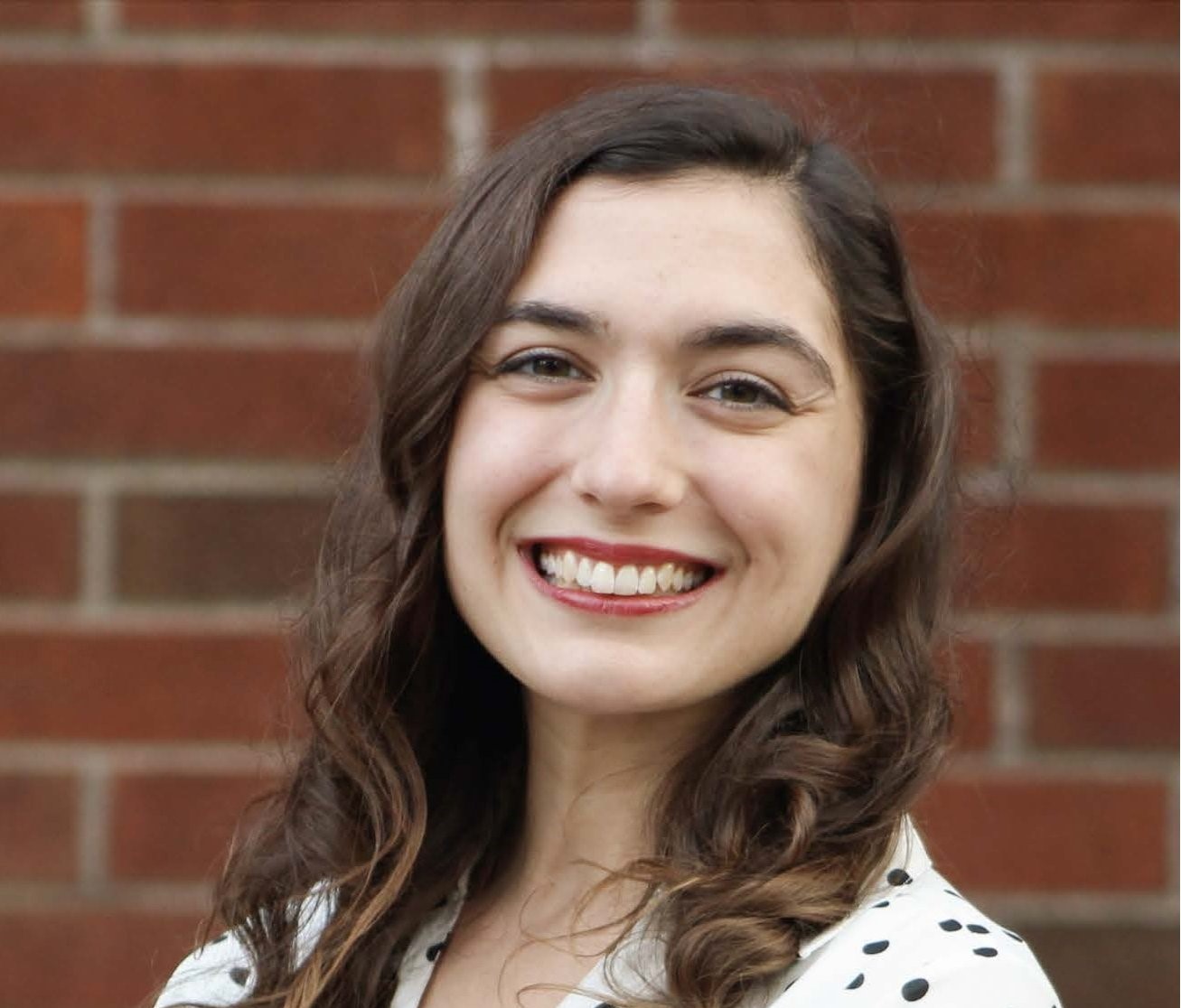
Jessica Spinelli
UMass Chan Medical School
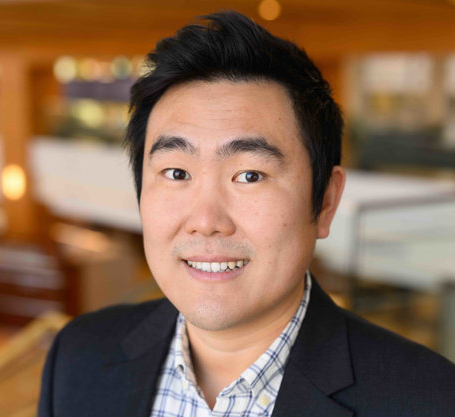
Ramon Sun
University of Florida
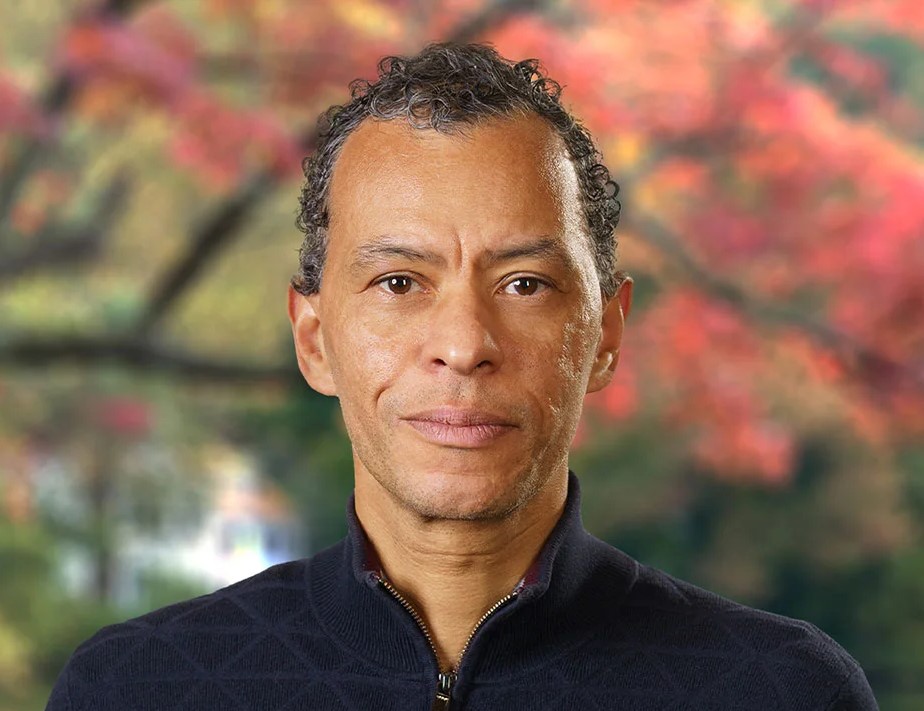
Lloyd Trotman
Cold Spring Harbor Laboratory
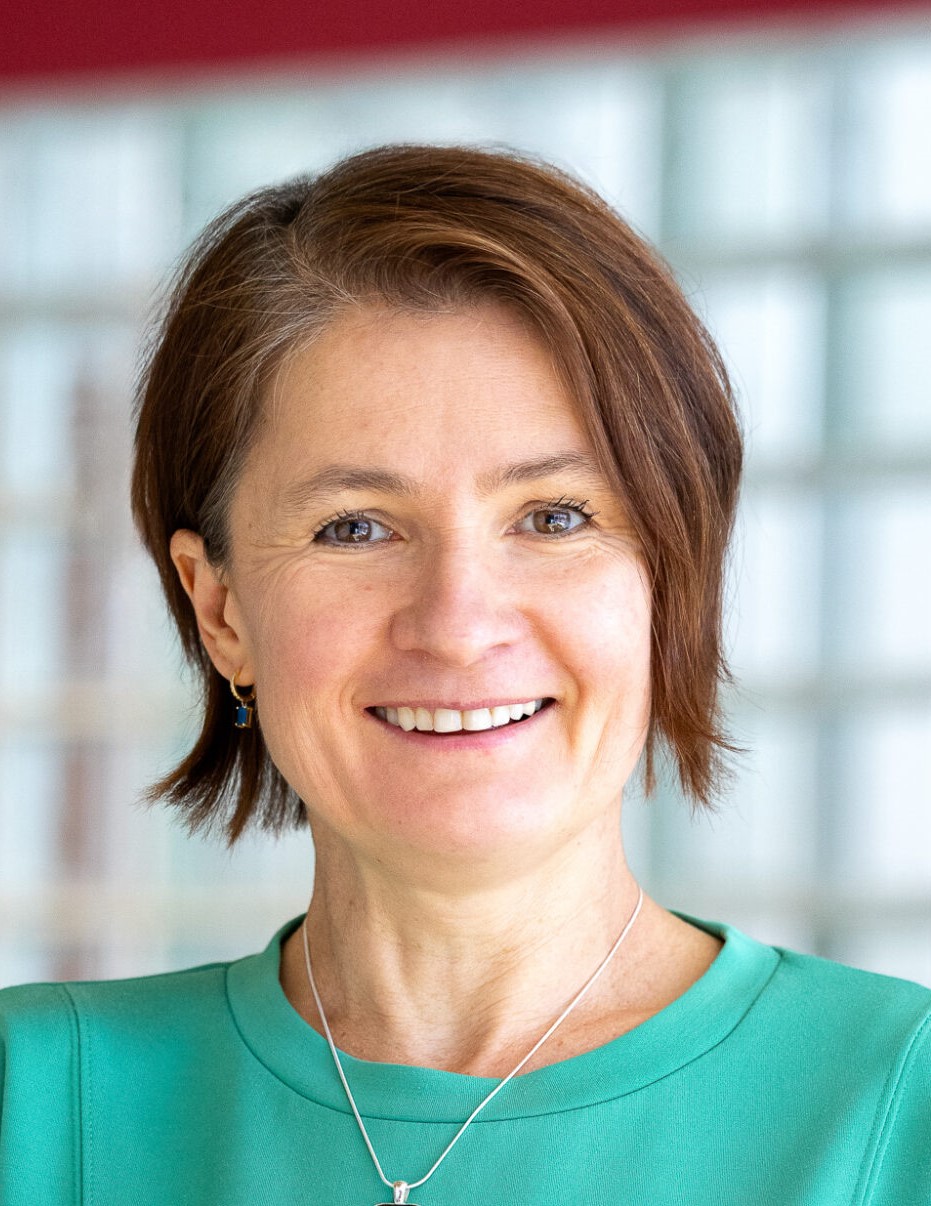
Mariia Yuneva
Francis Crick Institute
Programme
Venue & Location
Hilton Tulum Riviera Maya
We love this property in the Riviera Maya as it is a beautiful area of Mexico and has a very different vibe to the hustle and bustle of Cancun. Located just 8 miles from Tulum, this hidden gem is the perfect destination for those who love admiring, exploring or enjoying nature. Hilton Tulum Riviera Maya will captivate your senses with unparalleled natural views, bold flavors, clear blue skies, the gentle touch of the cool breeze and the irresistible aromas of this tropical paradise. This property & location is a favourite amongst our delegates.
Hotel facilities include;
- Complimentary Wi-Fi in guest rooms and throughout hotel and conference areas
- Pools
- Spa
- Fitness Center
- 6 Restaurants
- Kids Club
- Beach












General Information
Venue Rating
★ ★ ★ ★ ★
Currency
US Dollar (USD)
Address
Carretera Cancun Tulum 307 Tulkal Chemuyil Tulum, 77774, Mexico
Nearest Airport
Cancun International Airport
Location
Stretching from the fishing village of Puerto Morelos to the biosphere reserve of Sian Ka'an, the Mayan Riviera offers an unforgettable Caribbean coastline experience with beautiful white-sand beaches and brilliant turquoise colored water. This world-renowned paradise is home to mangroves and lagoons, ancient Mayan cities, ecological reserves and adventure parks, and the world's second largest coral reef.
The hotel is located just a few miles from Tulum, a town on the Caribbean coastline of Mexico’s Yucatán Peninsula. It’s known for its spectacluar beaches and well-preserved ruins of an ancient Mayan port city. The area also offers incredible cavern diving opportunties and beautiful cenotes to explore. We would highly recommend joining one of the group activities to Tulum or the Gran Cenote - they will make for an unforgettable conference experience!






If you are interested in this meeting but not yet ready to register, you can sign up for updates here and our team will keep you updated regarding deadline reminders and grant opportunities relating to this meeting only.
Conference Manager

Felicity Harrap
Need some help? Chat to the Fusion team today
As a family run business, our dedication runs deep. We’re committed to each other and, even more so, to every attendee’s experience, delivering a level of care and passion that’s truly unmatched.