- Home
- Past Conferences
- 2nd Balancing Genome Fidelity & Plasticity Conference

2nd Balancing Genome Fidelity & Plasticity Conference
#BGFP25
07 Jul - 10 Jul 2025
Lisbon, Portugal
-
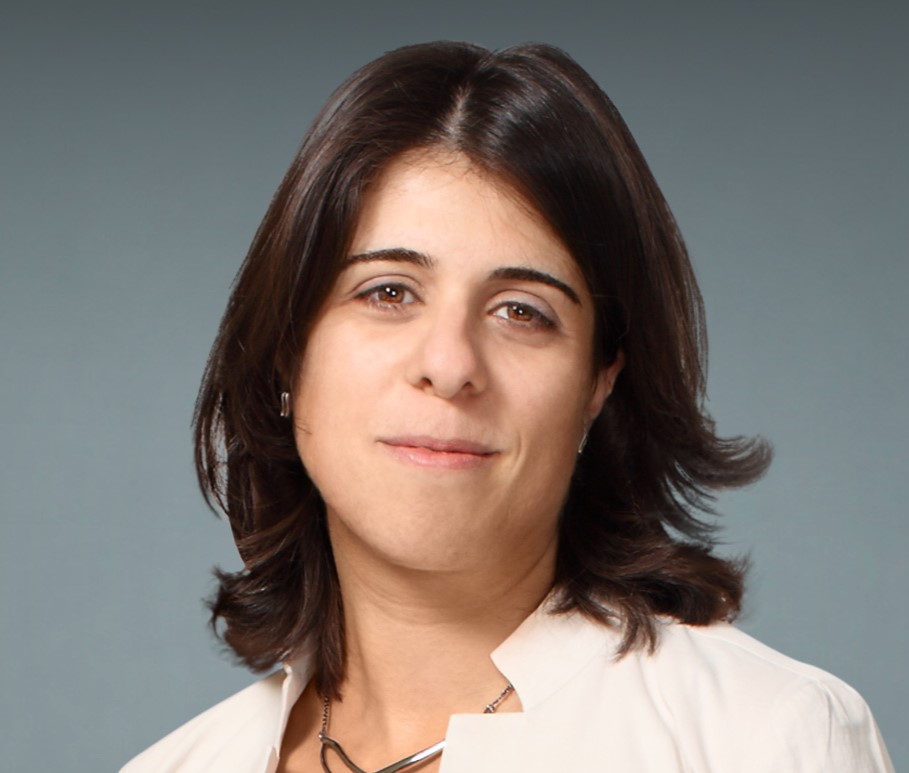
Agnel Sfeir
Memorial Sloan Kettering Cancer Center
-
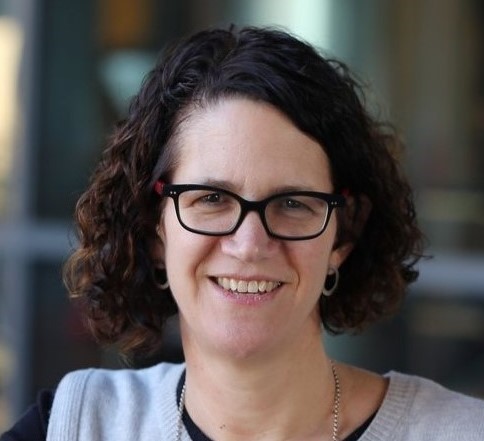
Karlene Cimprich
Stanford University
-
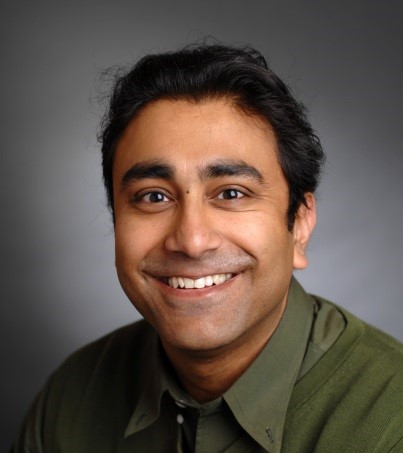
Dipanjan Chowdhury
Dana-Farber Cancer Institute
Early Bird - Expired • Talk Submission - Expired • Poster Submission - Expired • Registration & Payment Deadline - Expired
Synopsis
While alterations to DNA underlie genome evolution and antibody diversification, genome instability drives many disorders, including cancer, developmental abnormalities, and neurodegeneration. DNA damage and other genome-threatening replication blocks are generally overcome by a number of DNA repair pathways. The choice of DNA repair pathways, specifically the reliance on error-prone vs. error-free is both intriguing and confounding. Moreover, the deregulation of repair pathway choice can trigger pathological processes. In this conference, we will discuss the delicate equilibrium of genome maintenance pathways, addressing how natural processes such as replication and transcription can threaten genome stability, how the genome can be altered in cancer, signatures of genome instability in human disease, and how cells control the inherent plasticity of their replication and repair machinery. We aim to bring together scientists from diverse fields who are interested in understanding the many processes impacting DNA metabolism and the molecular and biophysical principles that maintain the balance between genome stability and plasticity.
Key Sessions
- Genome Signatures and Evolution
- Tissue Specific Repair and Mutagenesis
- Transcription-Replication Driven Mutation
- Transposable Elements
- DNA Sensing and Inflammation
- CRISPR/Cas9 and DNA Repair
Confirmed Invited Speakers
Andrea Ablaser (EPFL)
Karen Adelman (Harvard University)
Kathleen Burns (Dana-Farber Cancer Institute)
Keith Caldecott (University of Sussex)
Ross Chapman (Medical Research Council Molecular Haematology Unit)
DSB REPAIR PATHWAY CHOICE CONTROL IN GENOME MAINTENANCE AND DIVERSIFICATION
Gheorghe Chistol (Stanford University)
Alberto Ciccia (Columbia University)
Jacob Corn (ETH Zürich)
Cecilia Cotta-Ramusino (Tessera Therapeutics)
Titia de Lange (Rockefeller University)
Daniel Durocher (Lunenfeld-Tanenbaum Research Institute)
THE CIP2A PATHWAY OF MITOTIC DNA DAMAGE TOLERANCE
Marcin Imielinski (NYU Langone Health)
Gaëlle Legube (CBI Toulouse)
John Maciejowski (Memorial Sloan Kettering Cancer Center)
Houra Merrikh (Vanderbilt University)
Serena Nik-Zainal (University of Cambridge)
KJ Patel (University of Oxford)
Elizabeth Pollina (Washington University in St Louis)
Nitika Taneja (Erasmus Medical Center)
Alessandro Vindigni (Washington University)
NUCLEASES IN DNA REPLICATION FORK PLASTICITY
Johannes Walter (Harvard University)
Joanna Wysocka (Stanford University)
Itai Yanai (NYU Langone Health)
Joe Yeeles (MRC Laboratory of Molecular Biomedicine)
Target Audience
The meeting, which addresses fundamental questions that pertain to genome instability, is expected to appeal to basic science researchers, including students and postdocs. In addition, the various topics covered will be of interest to translational and clinical investigators in academic institutions and industry.
Educational Need
Genomic integrity is the foundation of human health with a plethora of diseases emerging from any dysfunction in the cellular machinery that maintains our genome. In this conference we focus on emerging areas in the field of genome biology that have gained significant prominence in recent years, specifically, large scale studies on genome evolution and mutational signatures combined with the interplay of DNA metabolism, RNA metabolism and DNA repair in the context of sub-nuclear compartments. We anticipate that attendees at all levels, students, post-doctoral fellows, and faculty will be exposed to radical new concepts and cutting-edge technology that will define the genome stability field in the upcoming years. The conference is being designed to facilitate interaction of trainees with senior scientists, and promote scientific collaborations.
Confirmed Speakers
Chairs
Agnel Sfeir
Memorial Sloan Kettering Cancer Center
Karlene Cimprich
Stanford University
Dipanjan Chowdhury
Dana-Farber Cancer Institute
Invited Speakers
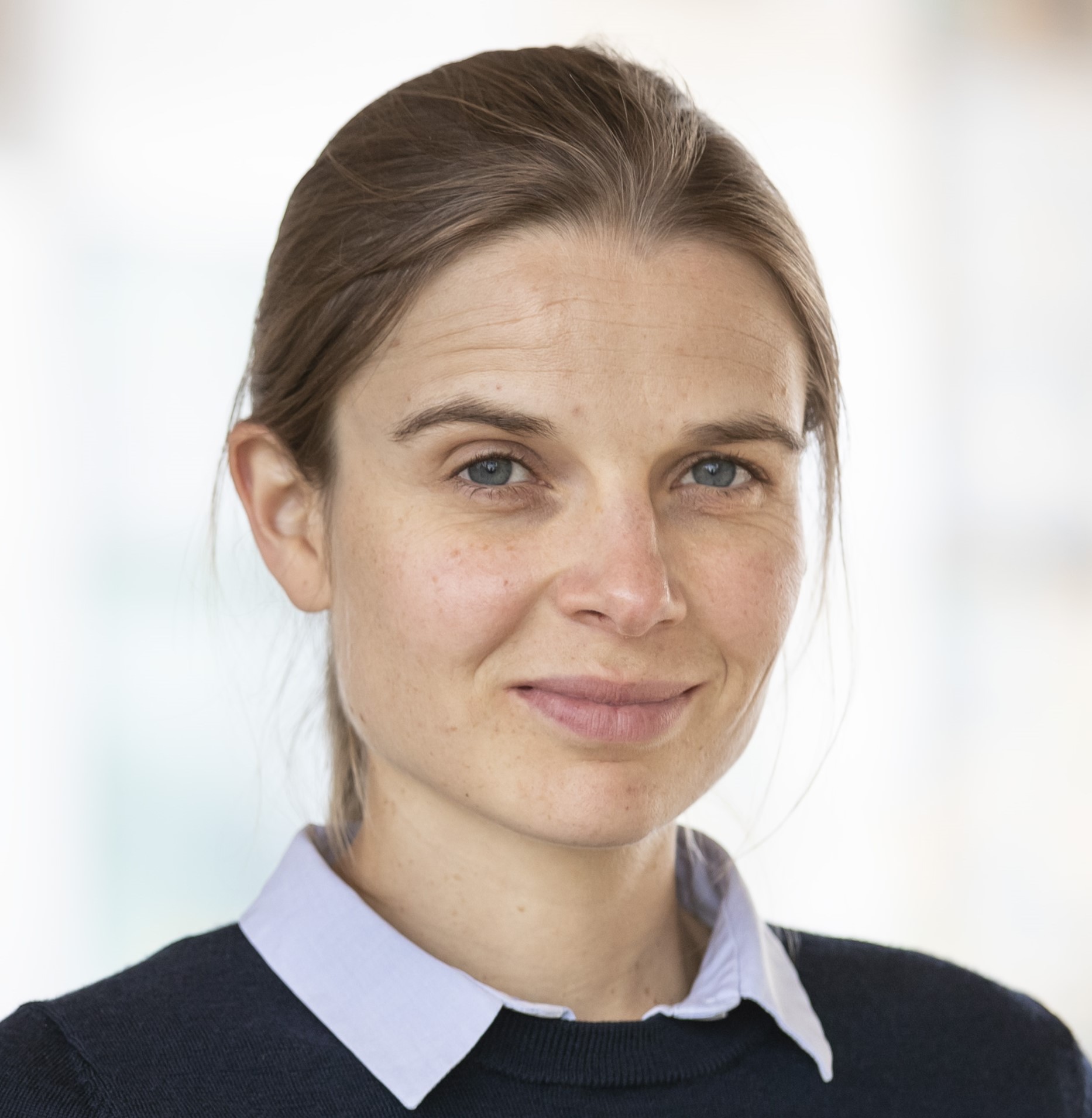
Andrea Ablasser
EPFL
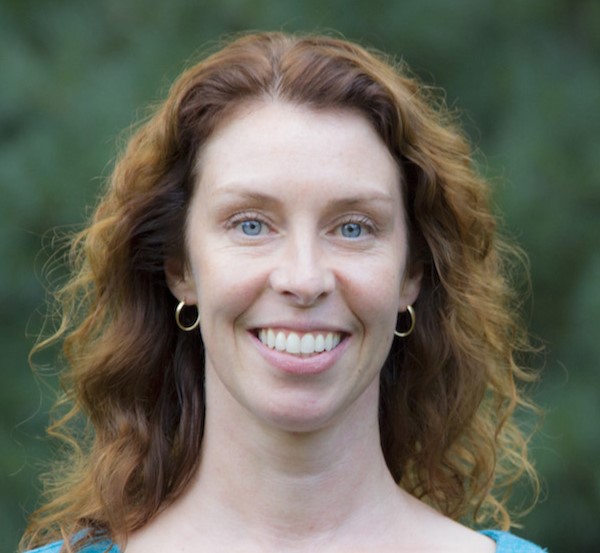
Karen Adelman
Harvard University
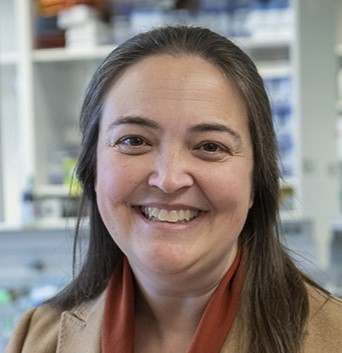
Kathleen Burns
Dana-Farber Cancer Institute
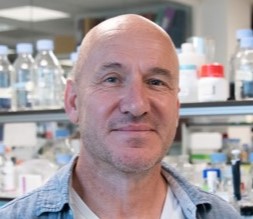
Keith Caldecott
University of Sussex
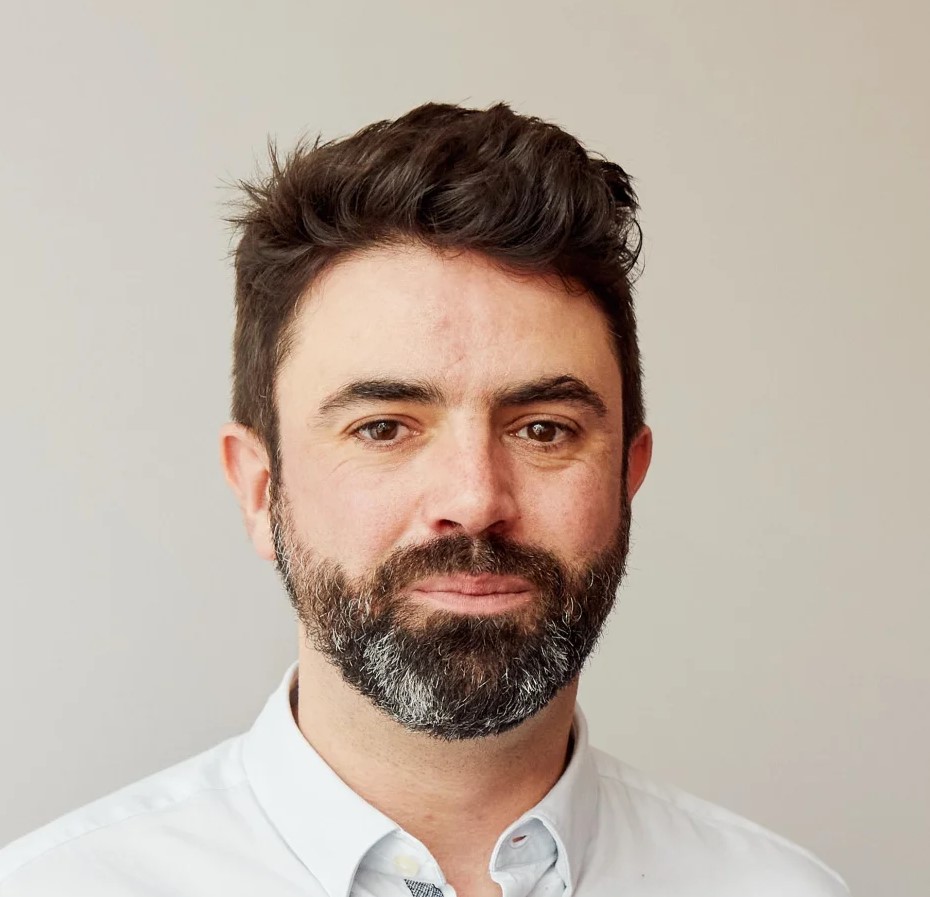
Ross Chapman
Medical Research Council Molecular Haematology Unit
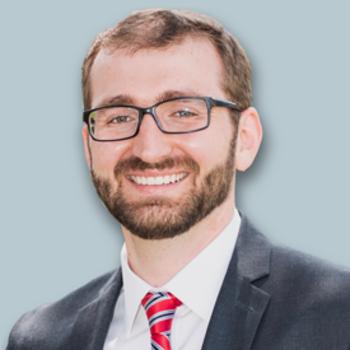
Gheorghe Chistol
Stanford University
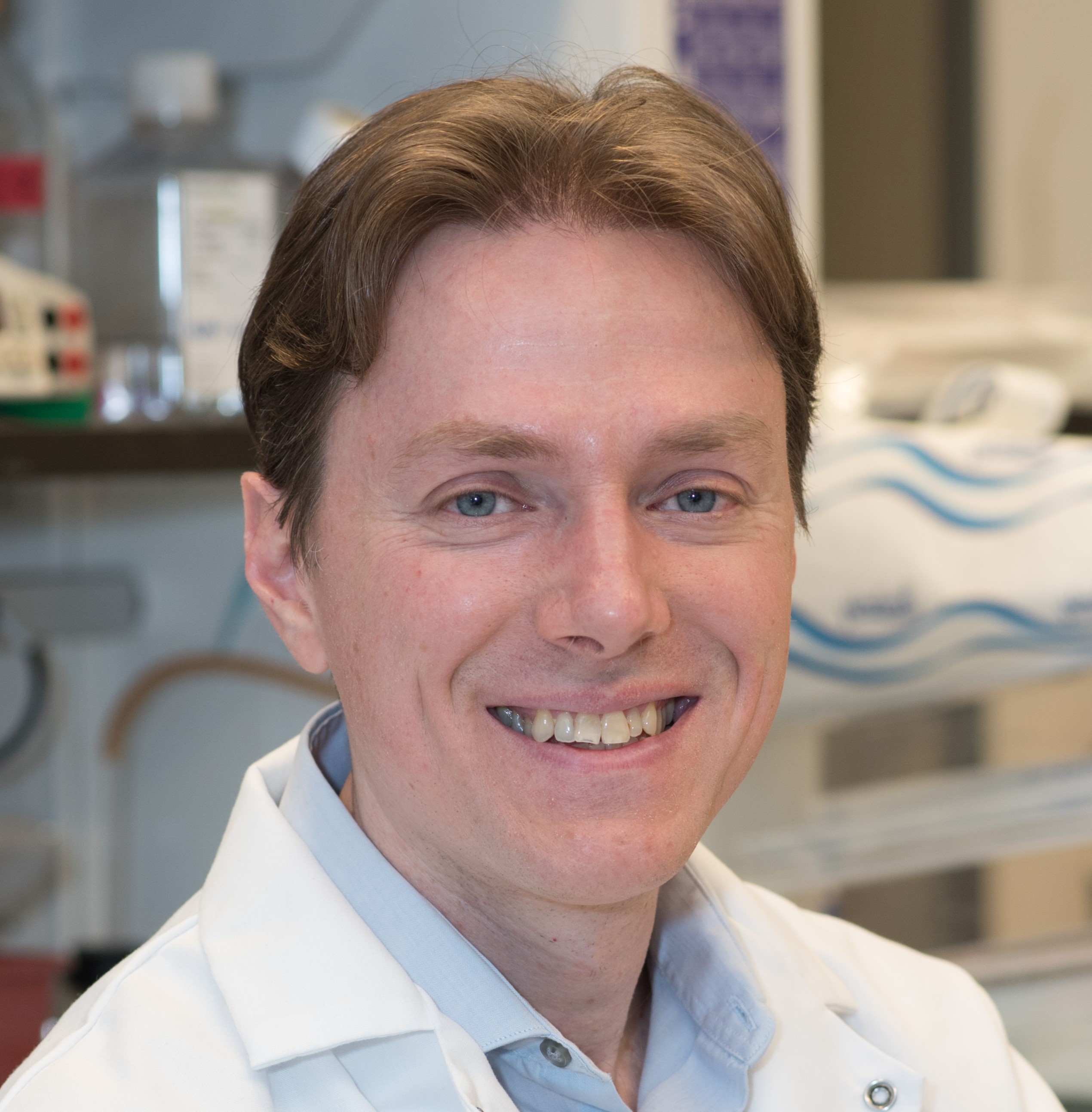
Alberto Ciccia
Columbia University
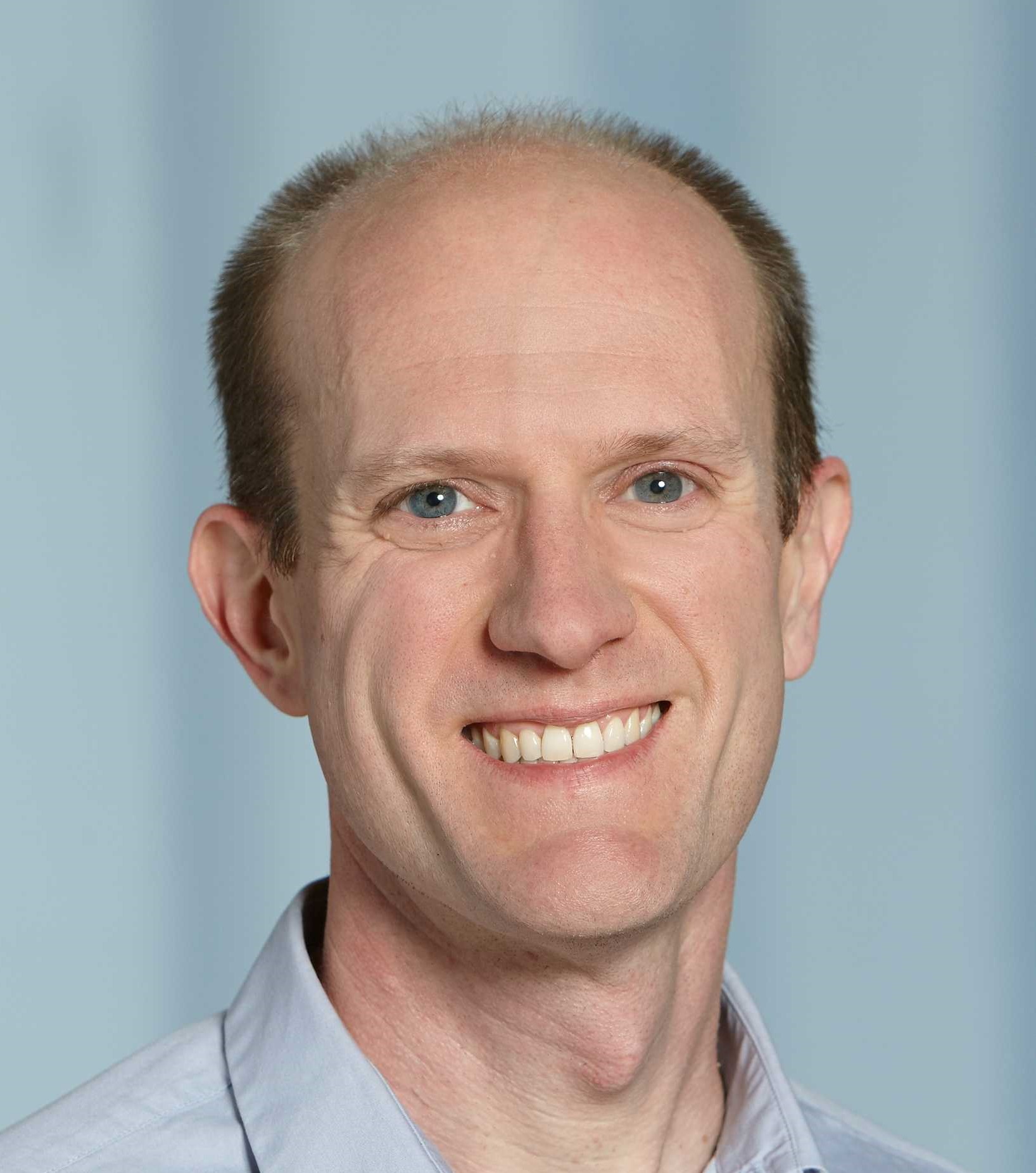
Jacob Corn
ETH Zürich
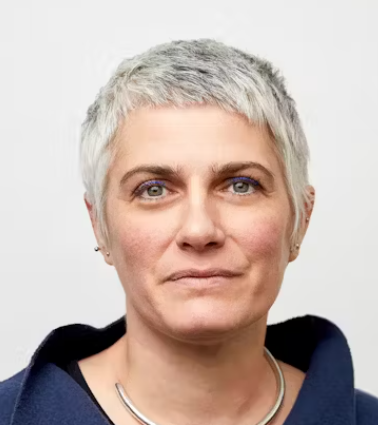
Cecilia Cotta-Ramusino
Tessera Therapeutics

Titia de Lange
Rockefeller University

Daniel Durocher
Lunenfeld-Tanenbaum Research Institute
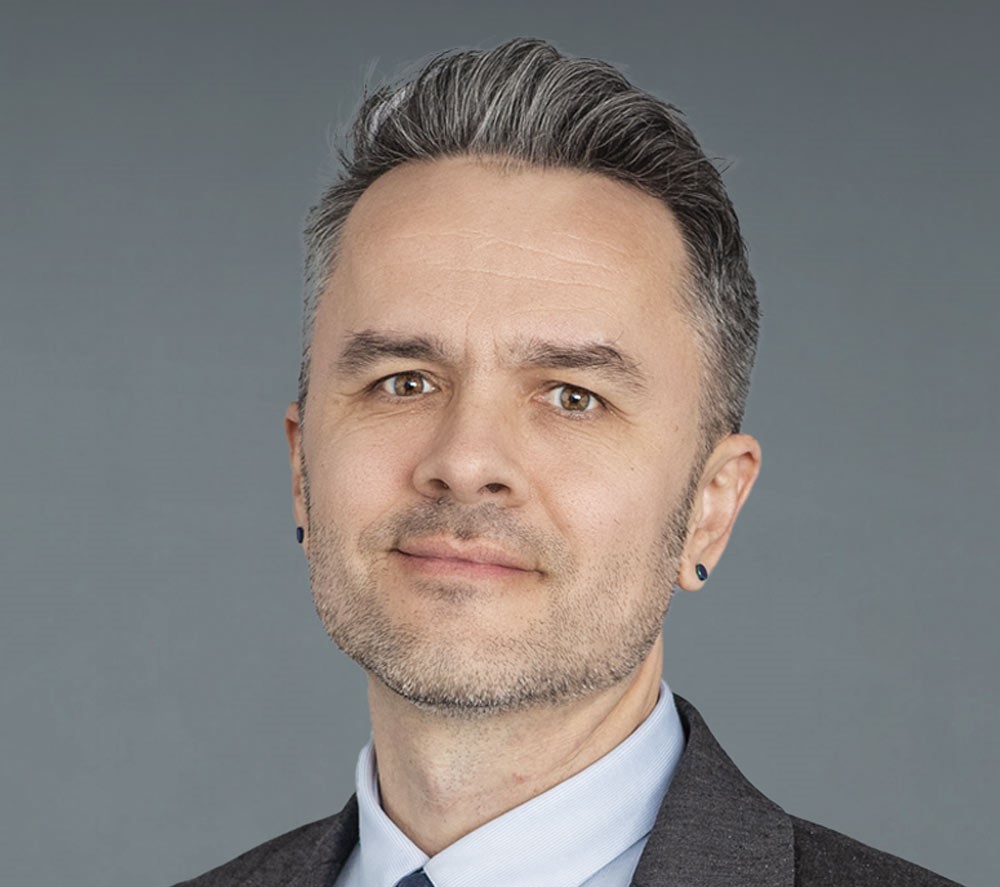
Marcin Imielinski
NYU Langone Health
Gaëlle Legube
CBI Toulouse
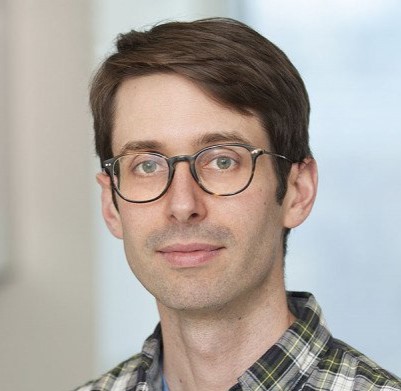
John Maciejowski
Memorial Sloan Kettering Cancer Center

Houra Merrikh
Vanderbilt University
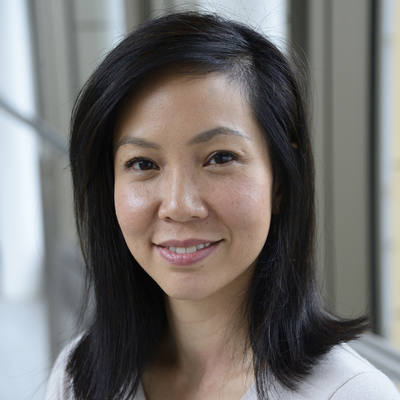
Serena Nik-Zainal
University of Cambridge
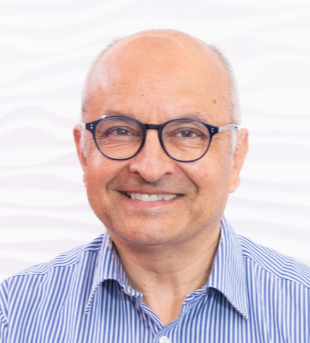
KJ Patel
University of Oxford
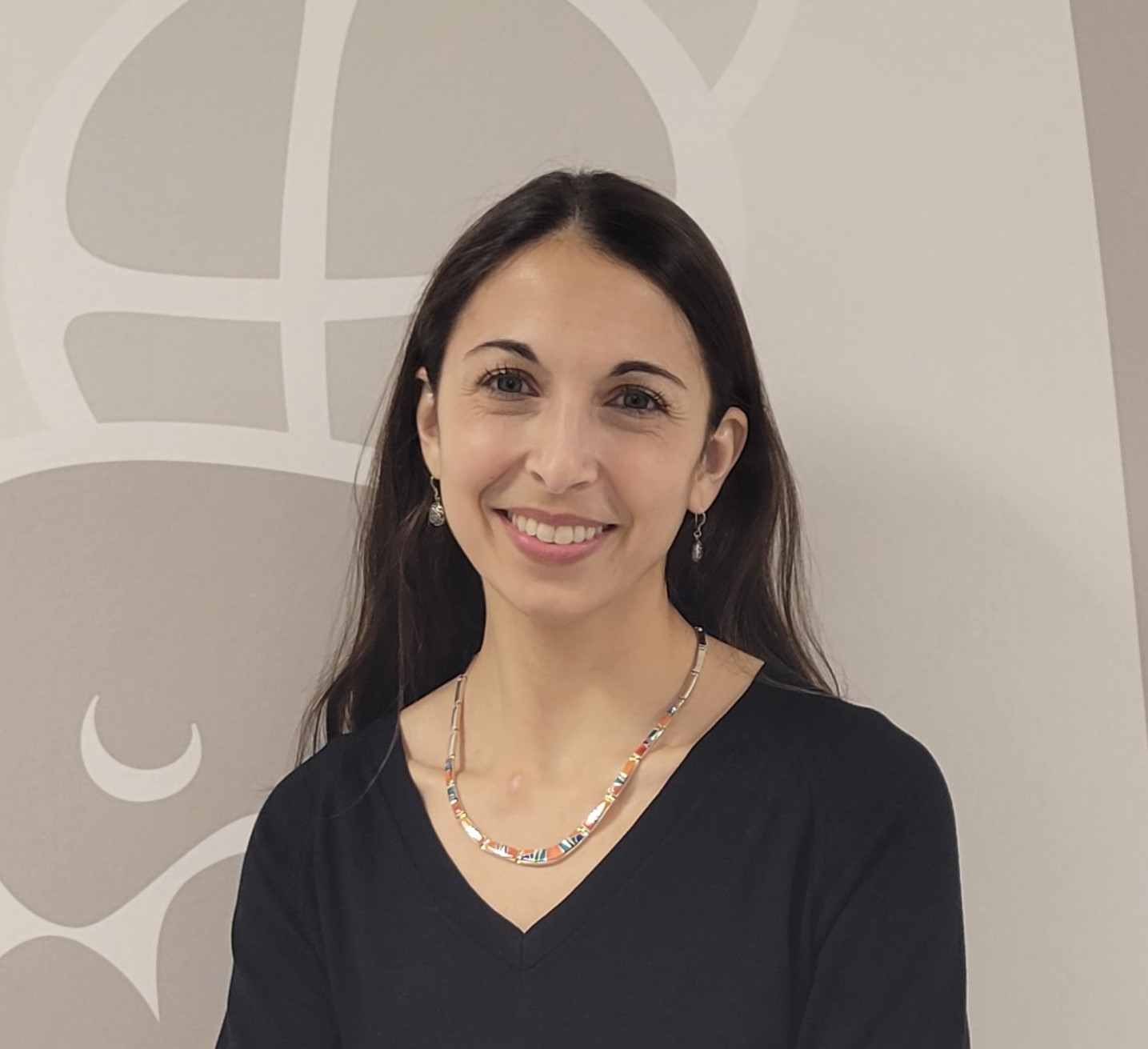
Elizabeth Pollina
Washington University in St. Louis

Nitika Taneja
Erasmus Medical Center
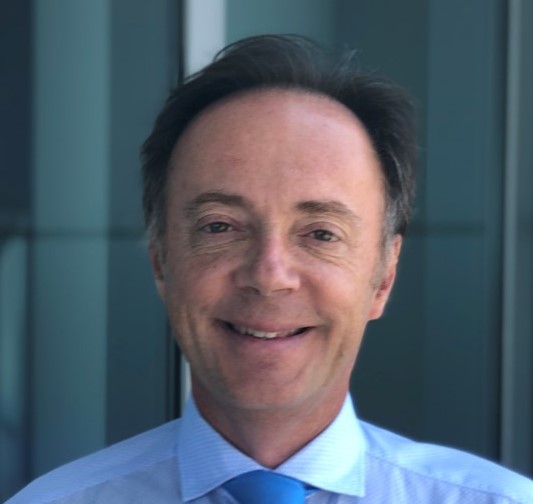
Alessandro Vindigni
Washington University
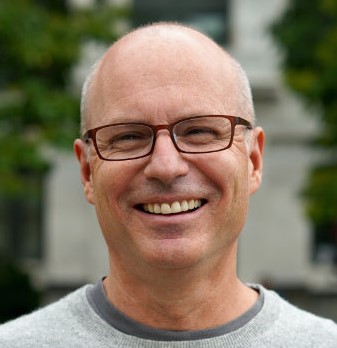
Johannes Walter
Harvard University
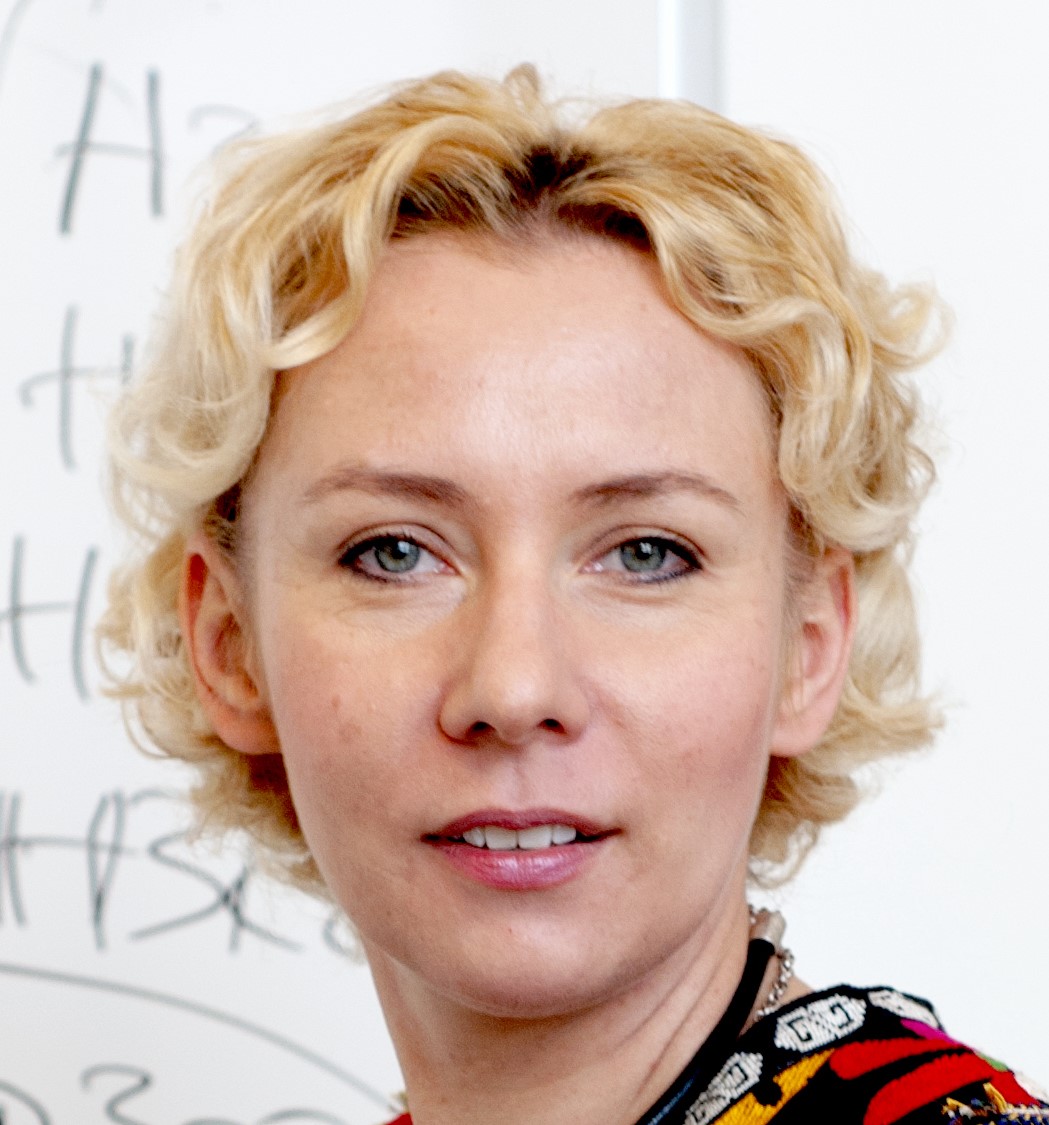
Joanna Wysocka
Stanford University
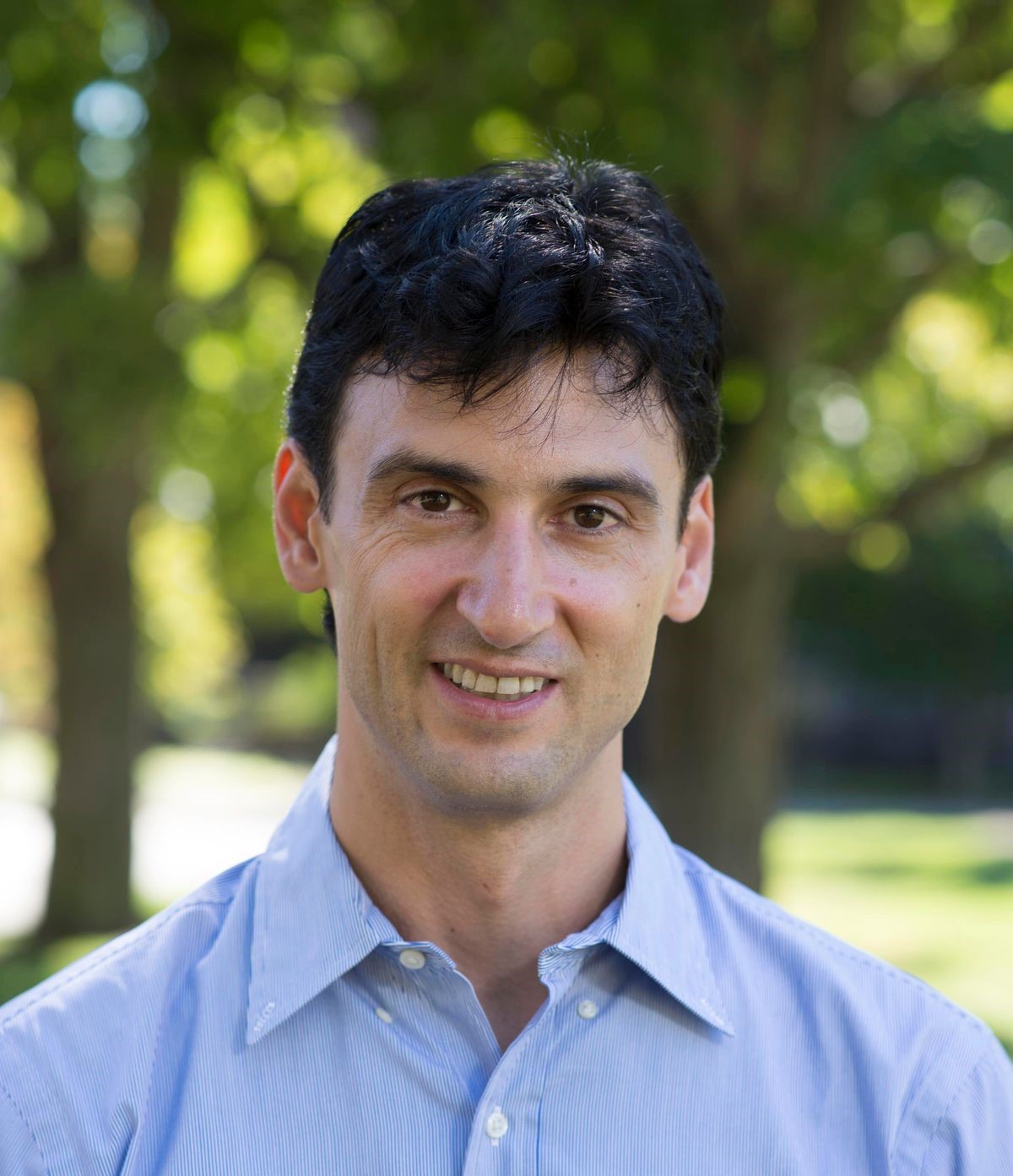
Itai Yanai
NYU Langone Health
Joe Yeeles
MRC Laboratory of Molecular Biology
Programme
Although the programme has not yet been released, we are able to confirm that the conference should begin no earlier than 14:00 with opening comments on Monday 07 July 2025. The conference will conclude no later than 12:30 on Thursday 10 July 2025.
Supported by




Venue & Location
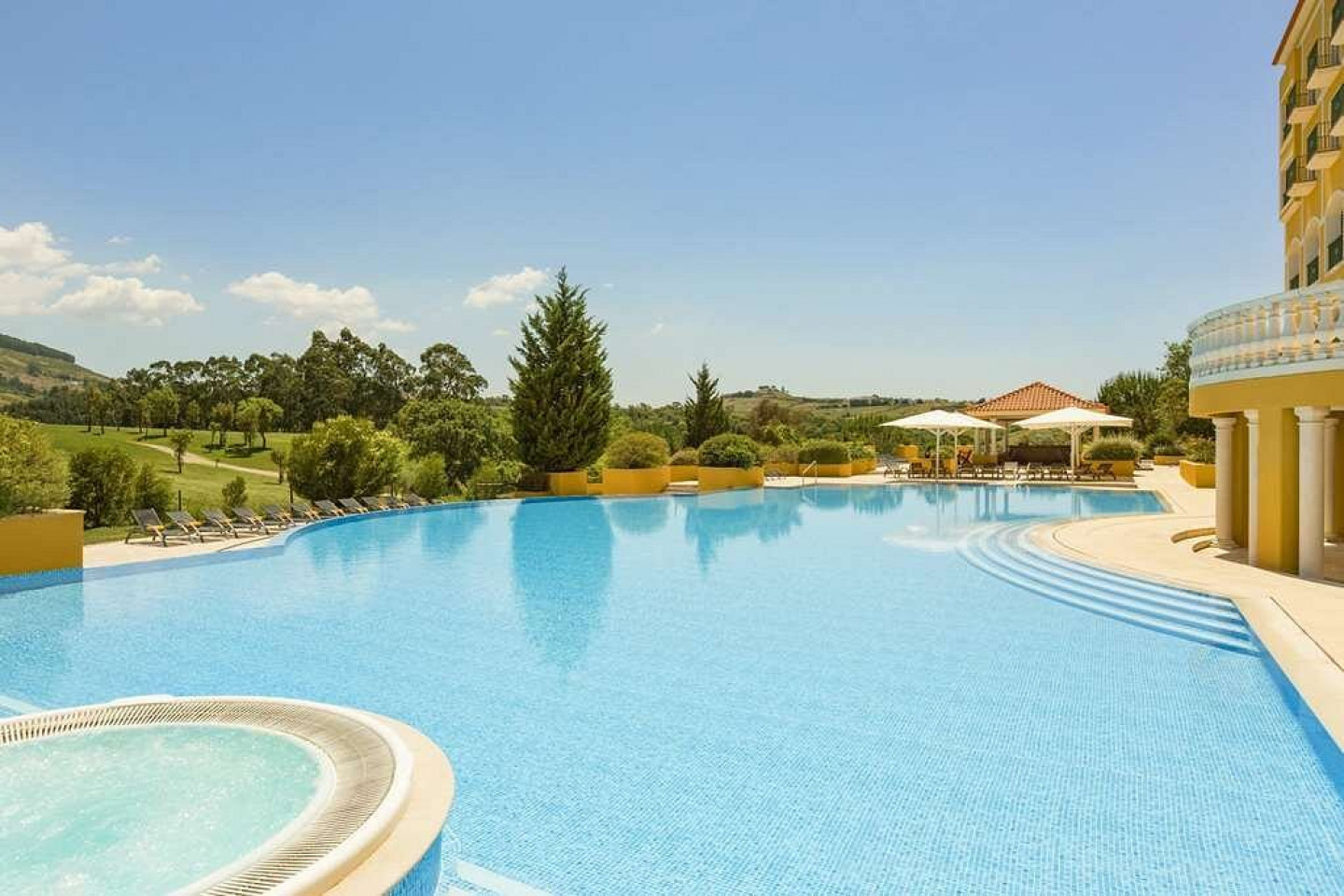
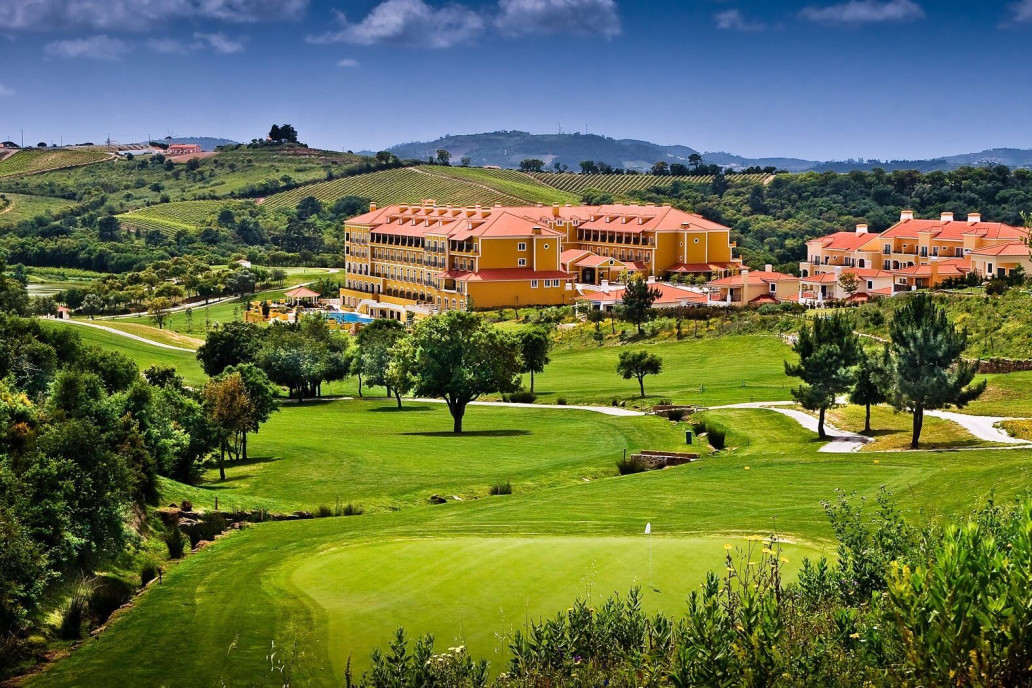
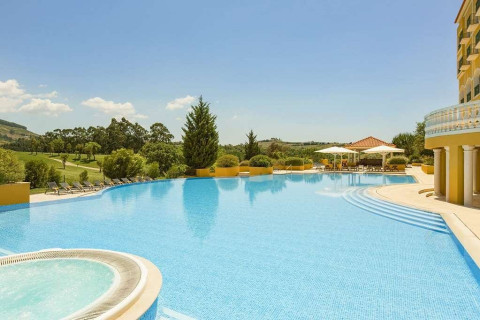
Dolce CampoReal Lisboa
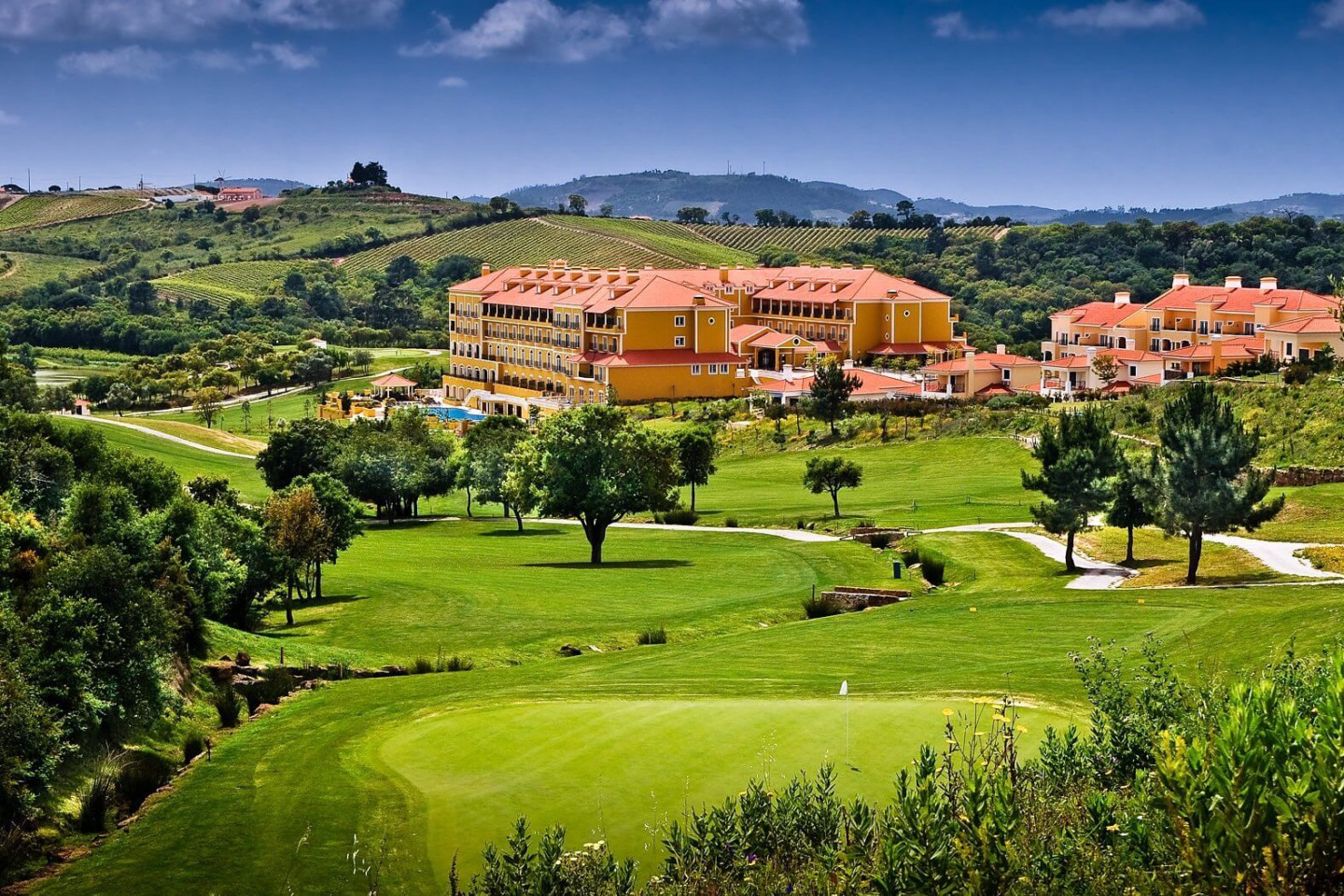
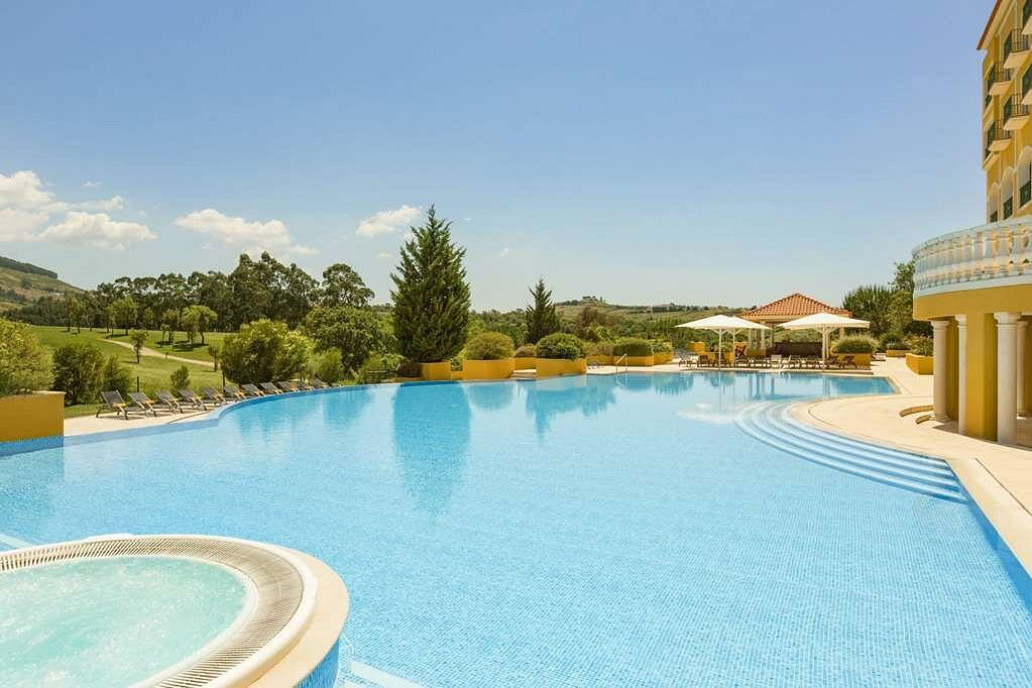
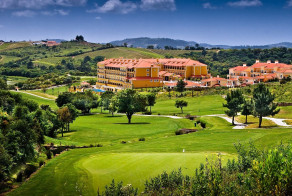
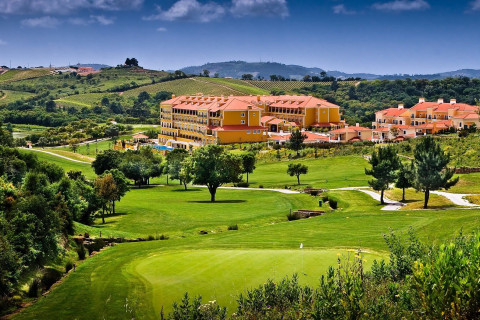
Located in Torres Vedras, just a 30-minute drive from Lisbon, Dolce CampoReal Lisboa offers unique tranquillity, as a result of its idyllic environment. The hotel offers stunning views over the golf course, vineyards and the extraordinary landscape of Socorro and Archeira Mountains.
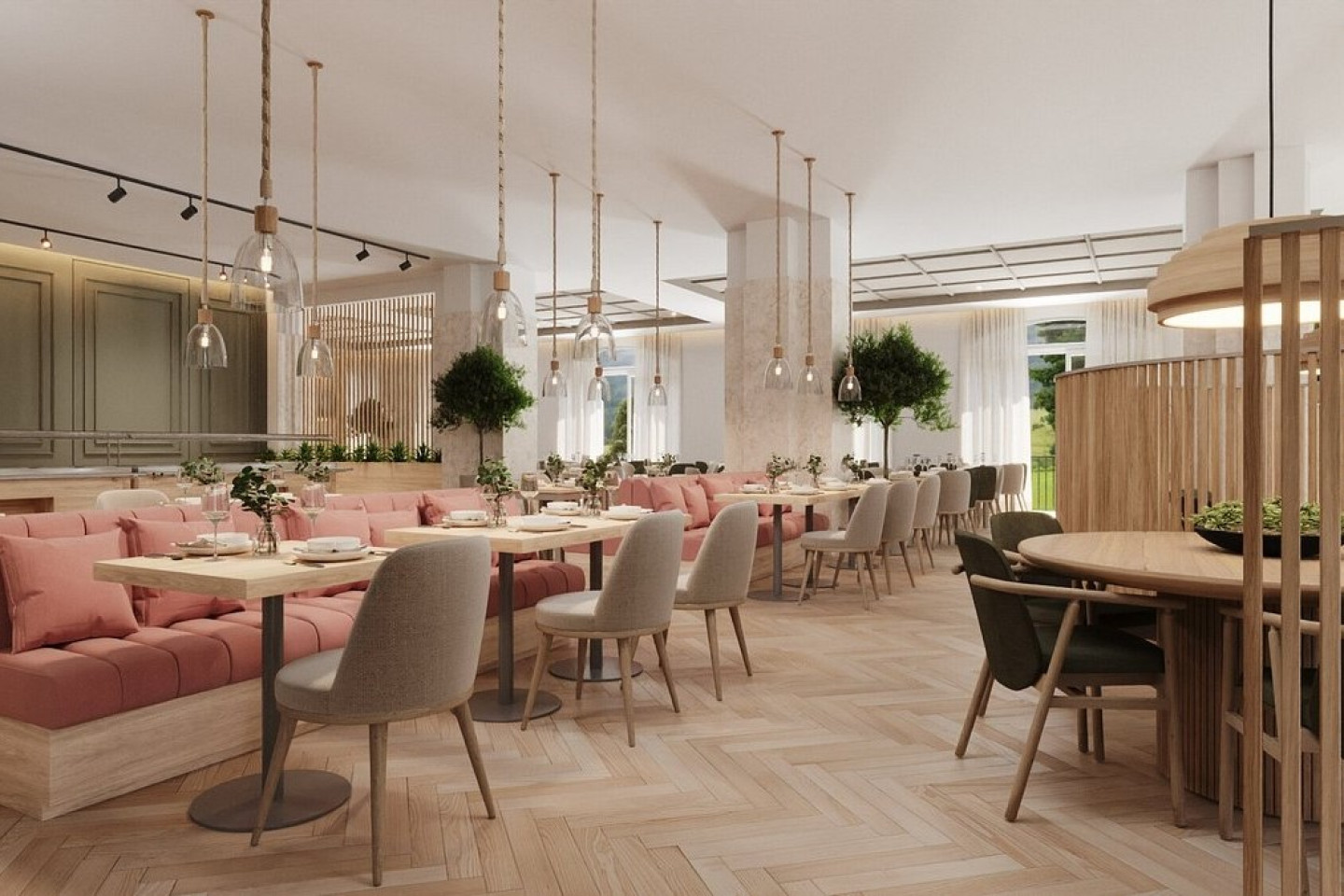
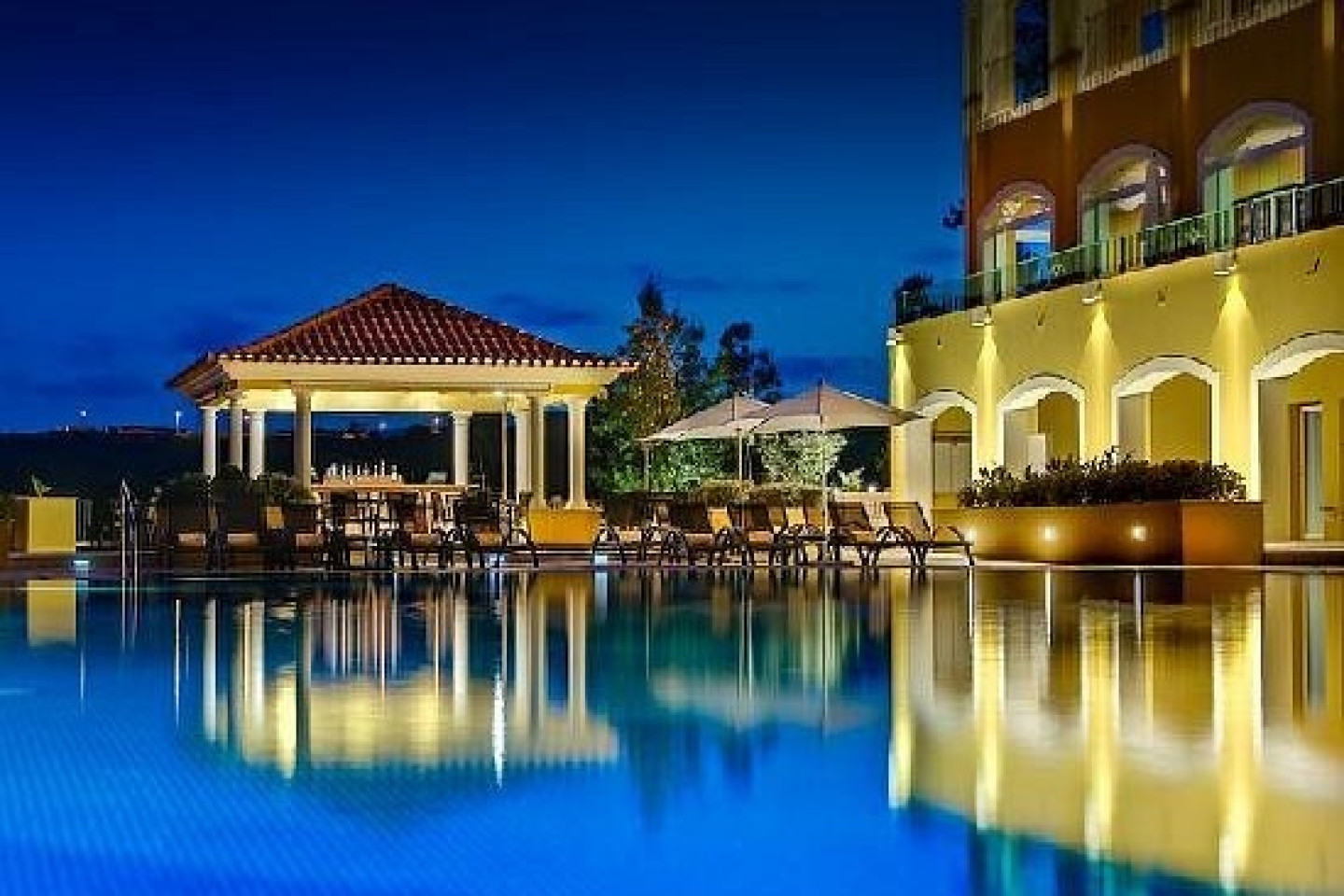
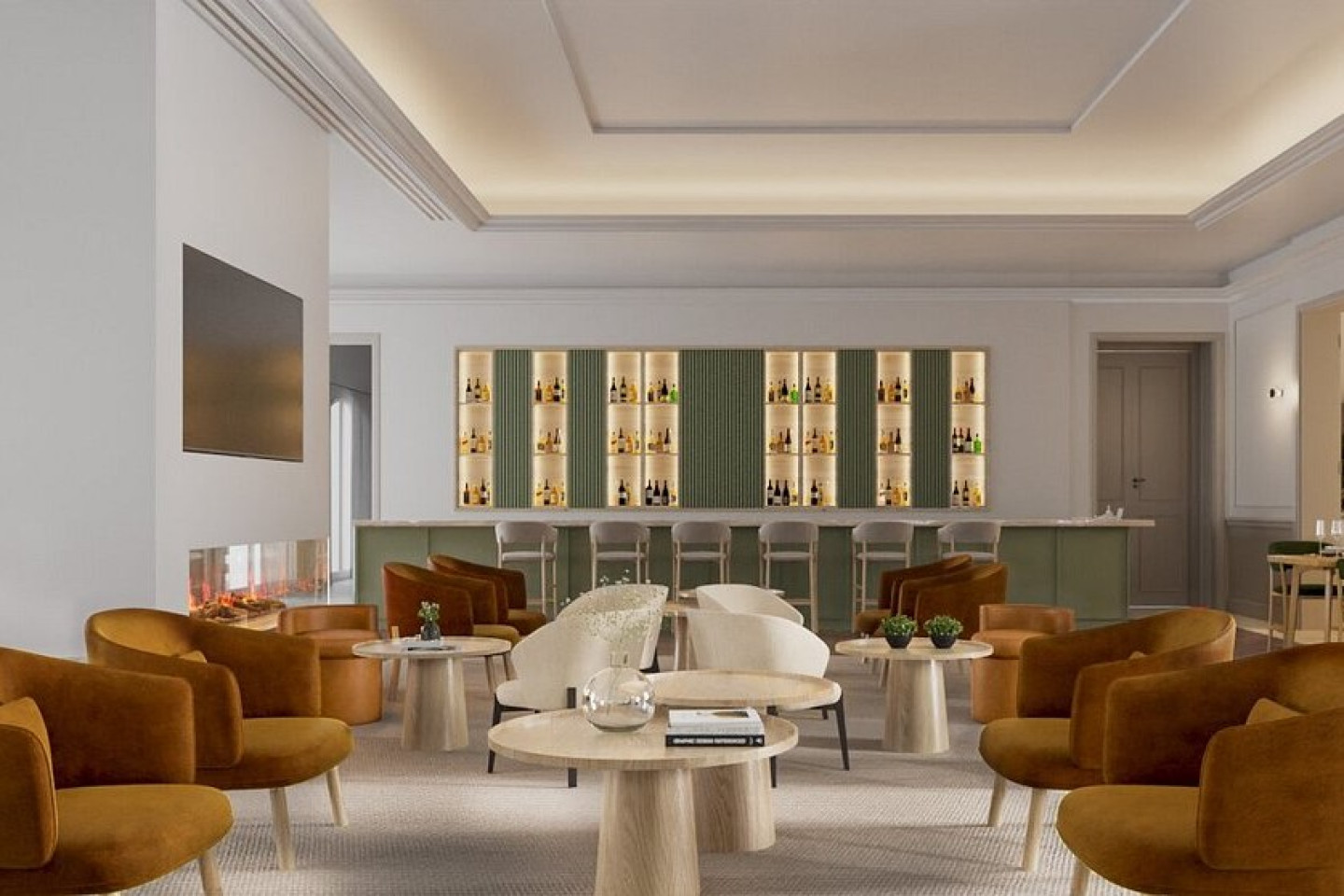
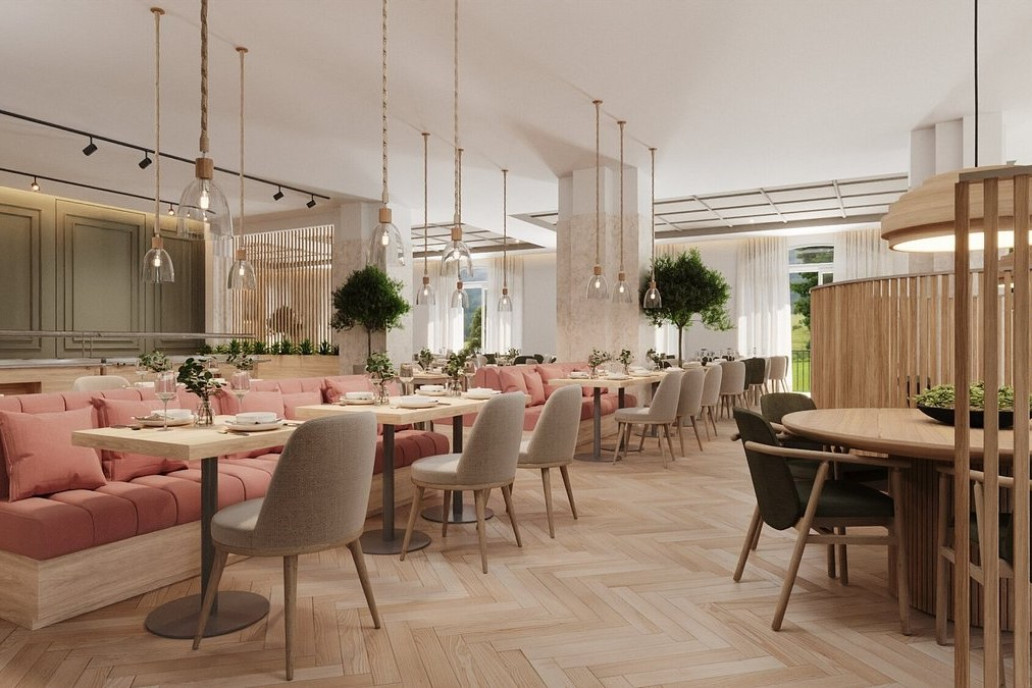
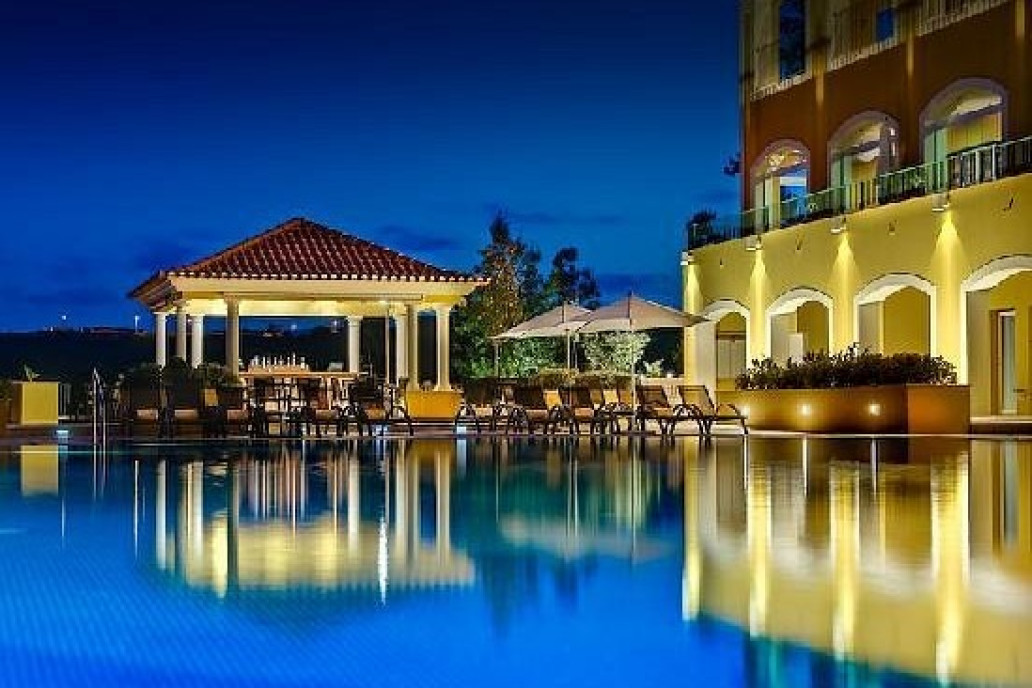
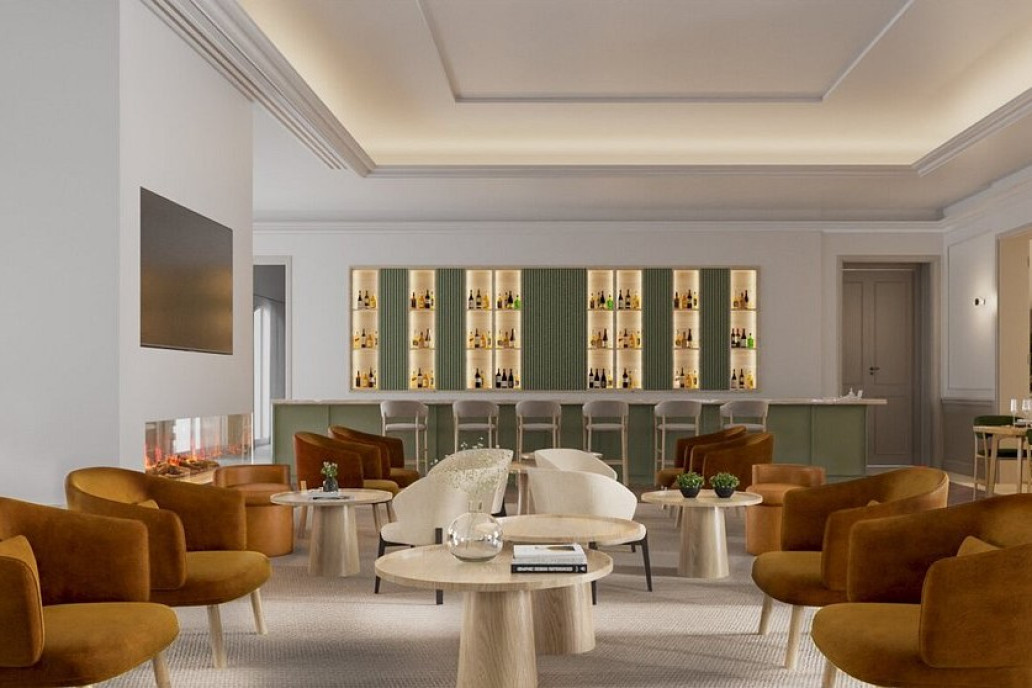
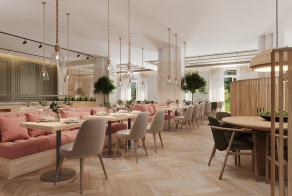
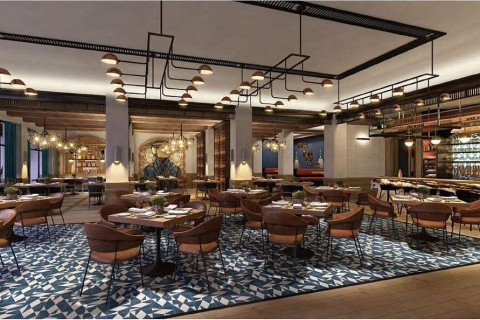
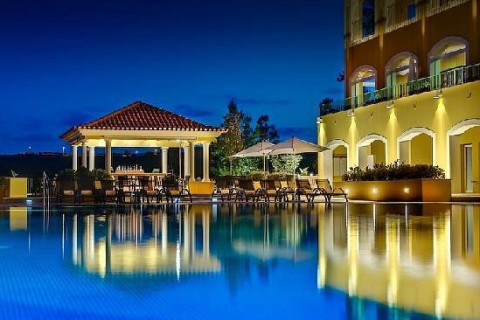
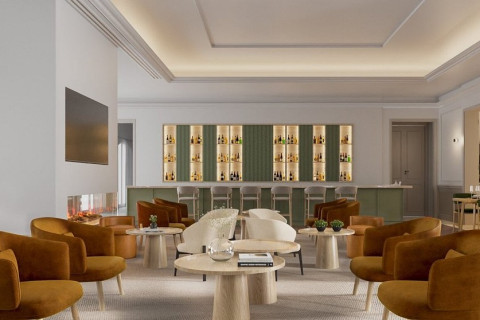
The hotel has three restaurants to provide a variety of gastronomic choices, and two bars including one beside the outdoor pool.
Hotel Facilities
- Complimentary Wi-Fi in guest rooms and throughout hotel and conference areas
- Indoor heated swimming pool
- Outdoor swimming pool with Jacuzzi
- Spa
- Gym
- Golf course
- 2 Tennis courts




General Information
Venue Rating
★ ★ ★ ★ ★
Currency
Euro (EUR)
Address
R. do Campo (Campo Real) 2565-770 Portugal
Nearest Airport
Lisbon Portela Airport
Location
The Dolce CampoReal Lisboa is nestled between the vineyards and the extraordinary landscape of the Socorro and Archeira Mountains.
Lisbon is only a short 30-minute drive away. The Portuguese capital is constantly recognised as one of the greatest cities in the world, a claim confirmed by the “Lonely Planet Guides", who named Lisbon one of the world’s top 10 cities. Lisbon in one of the world’s oldest cities, predating the likes of London, Rome and Paris by hundreds of years. Hillsides covered in tumbledown houses and a mix of baroque and neoclassical buildings, including cathedrals and palaces, make up Lisbon’s skyline. The city is a combination of old and new, with beautiful modern buildings constructed near renovated historical landmarks and ruins.







If you are interested in this meeting but not yet ready to register, you can sign up for updates here and our team will keep you updated regarding deadline reminders and grant opportunities relating to this meeting only.
Silver Sponsors
Bronze Sponsors
Media Partners
If you're interested in sponsoring this conference please contact us.
Conference Manager

Alice Tebbit
Need some help? Chat to the Fusion team today
As a family run business, our dedication runs deep. We’re committed to each other and, even more so, to every attendee’s experience, delivering a level of care and passion that’s truly unmatched.